Category: Testimonials

  • My first trip to Omadal Island

    My first trip to Omadal Island

    by Vince 

    During the summer break, My family and I went to Malaysia. We flew to Sabah state, then went to Omadal Island on July 17, 2022 by boat.

    I have heard stories about Bajau Laut (Sama DiLaut) ancestors who lived in the Coral Triangle (between Malaysia, Indonesia, and the Philippines) for generations but have received no recognition of citizenship from any of these countries.

    Some of the children that live in Omadal Island are stateless because both of their parents are undocumented. We were there to support Iskul,  a community school that offers basic education to these children. 

    After a forty five minutes boat ride to Omadal Island, we docked and saw the kids from Iskul school were waving at us from the school building! 

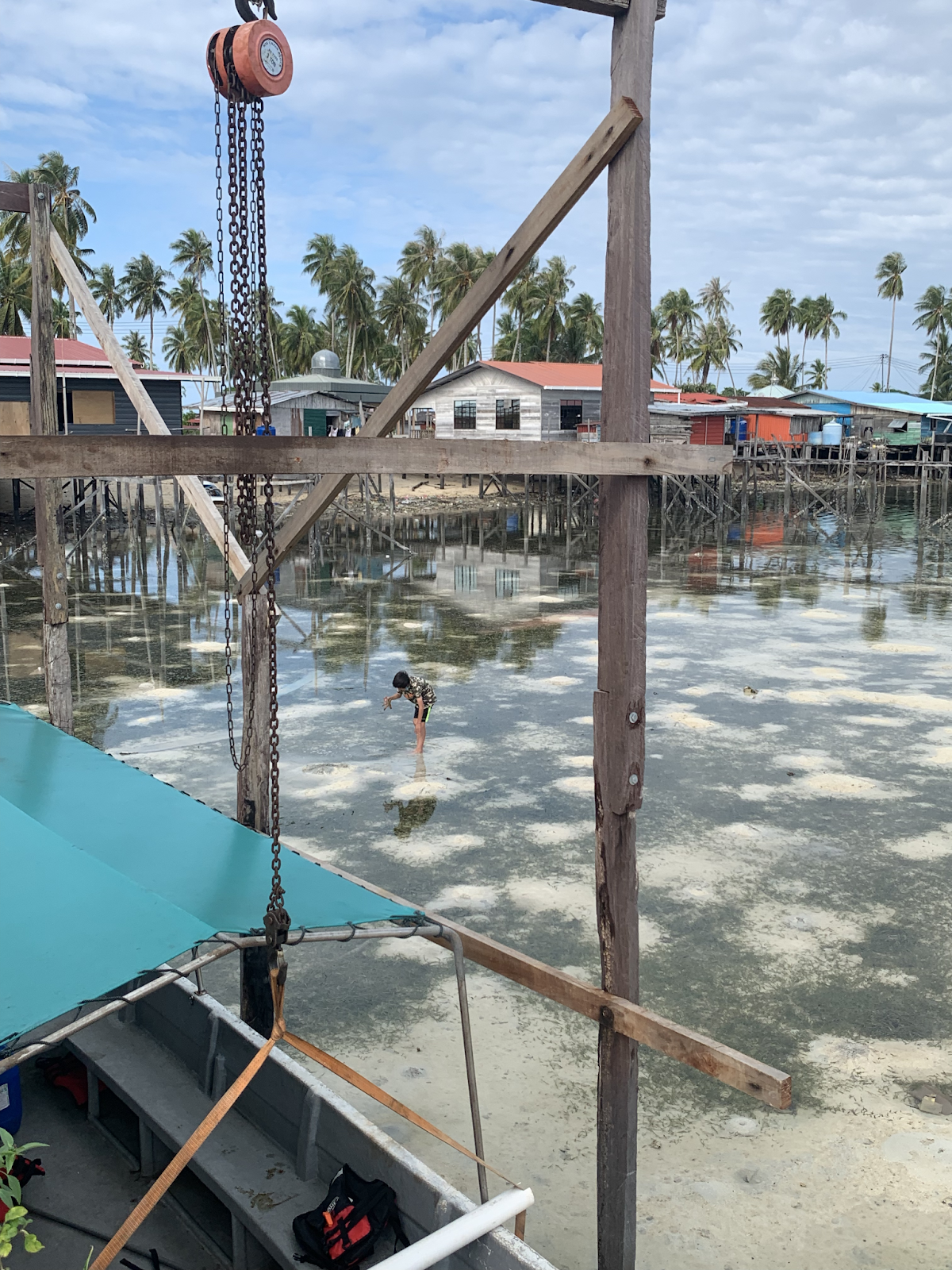
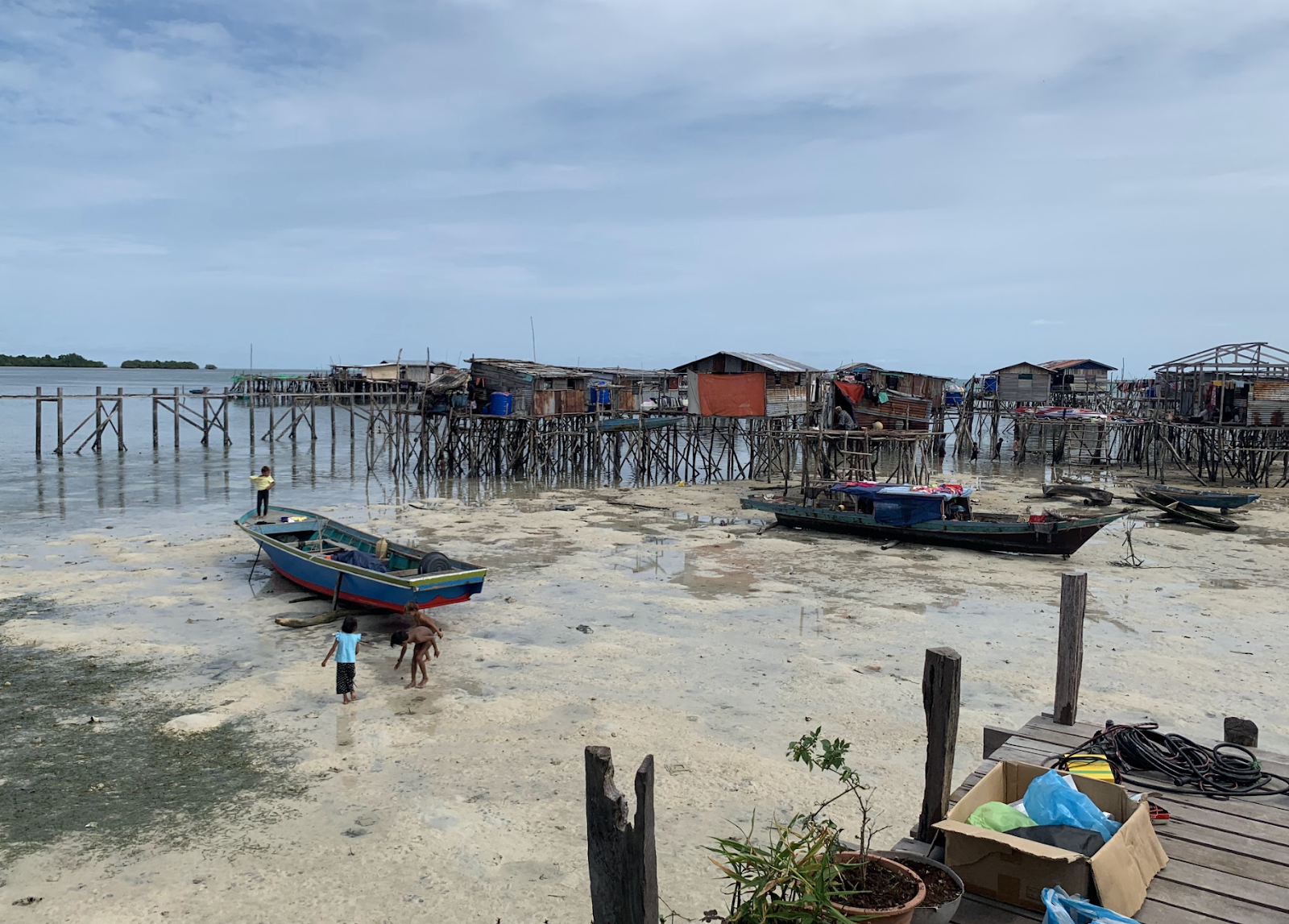
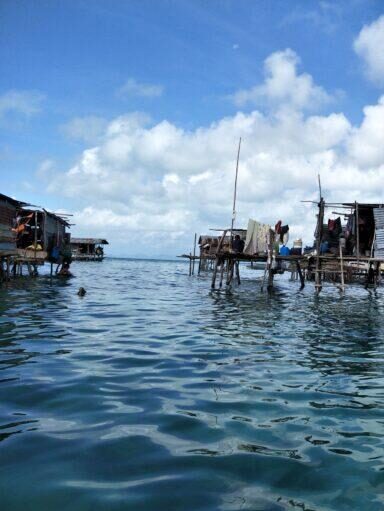
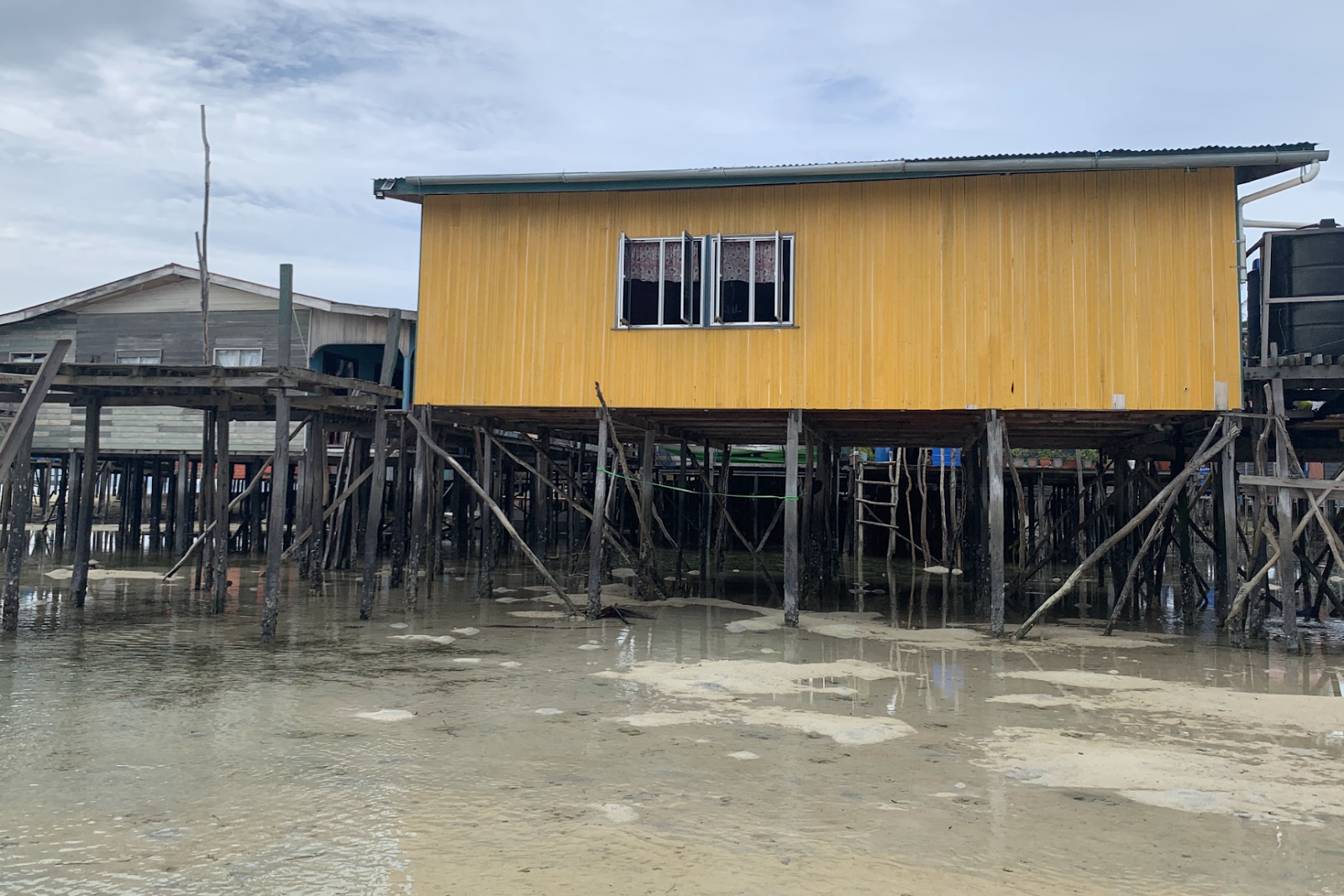
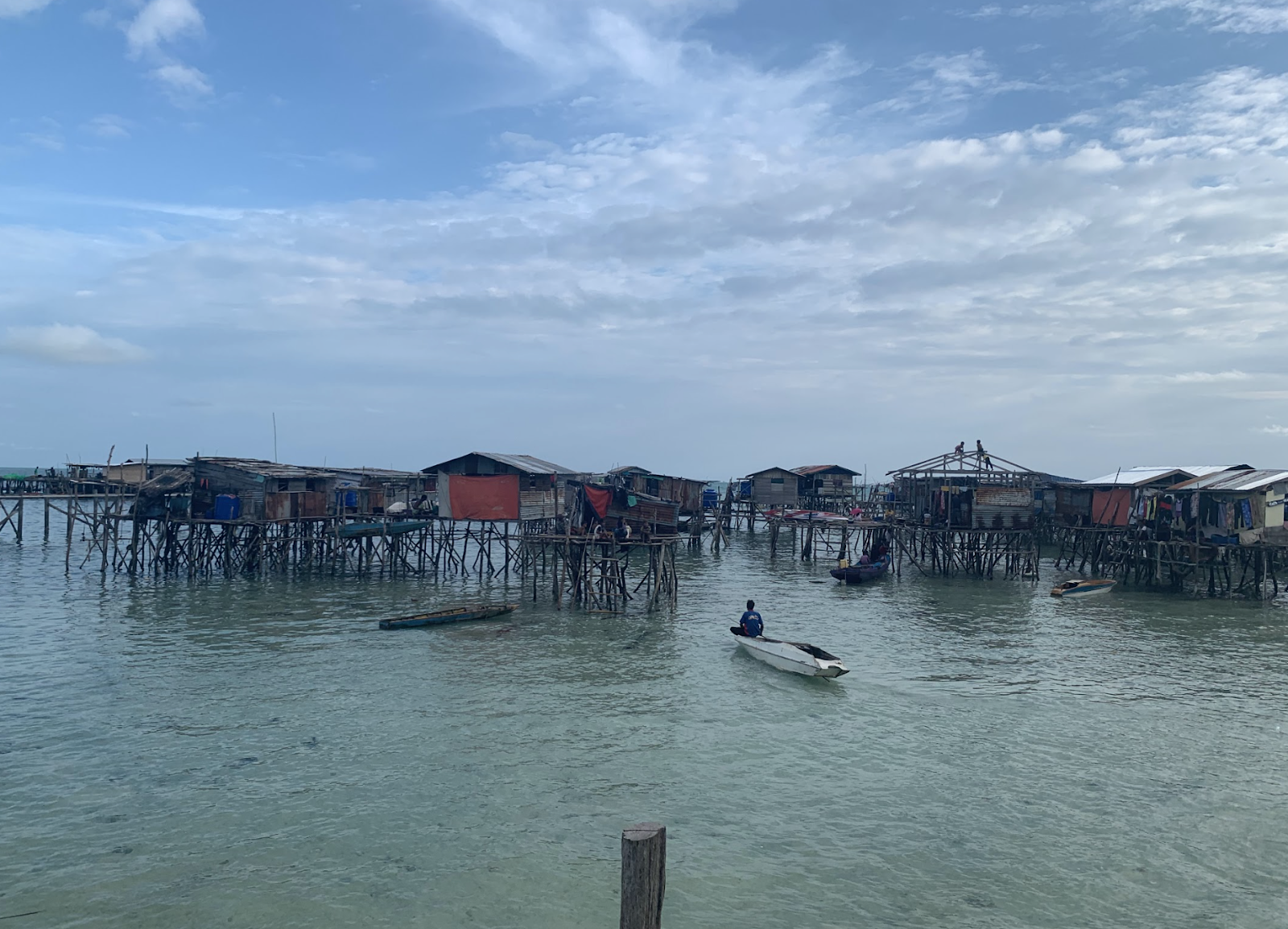
    I noticed a bunch of houses made out of wood and metal scrap. The school and houses were built on the sea. The kids were still having class when we came in, and we introduced ourselves to them.  After the school was over, we cleaned the school, fixed the tables, and planted new vegetables. When I heard all human waste in toilets there go directly into the sea because there is no sewage system, I was grossed out!  My parents explained that sewage solutions are needed to tackle the human waste problem in the island.  Later, I went down the ladder to the sea, and the water was up to my knees because it was at low tide. I saw a lot of trash floating around. 
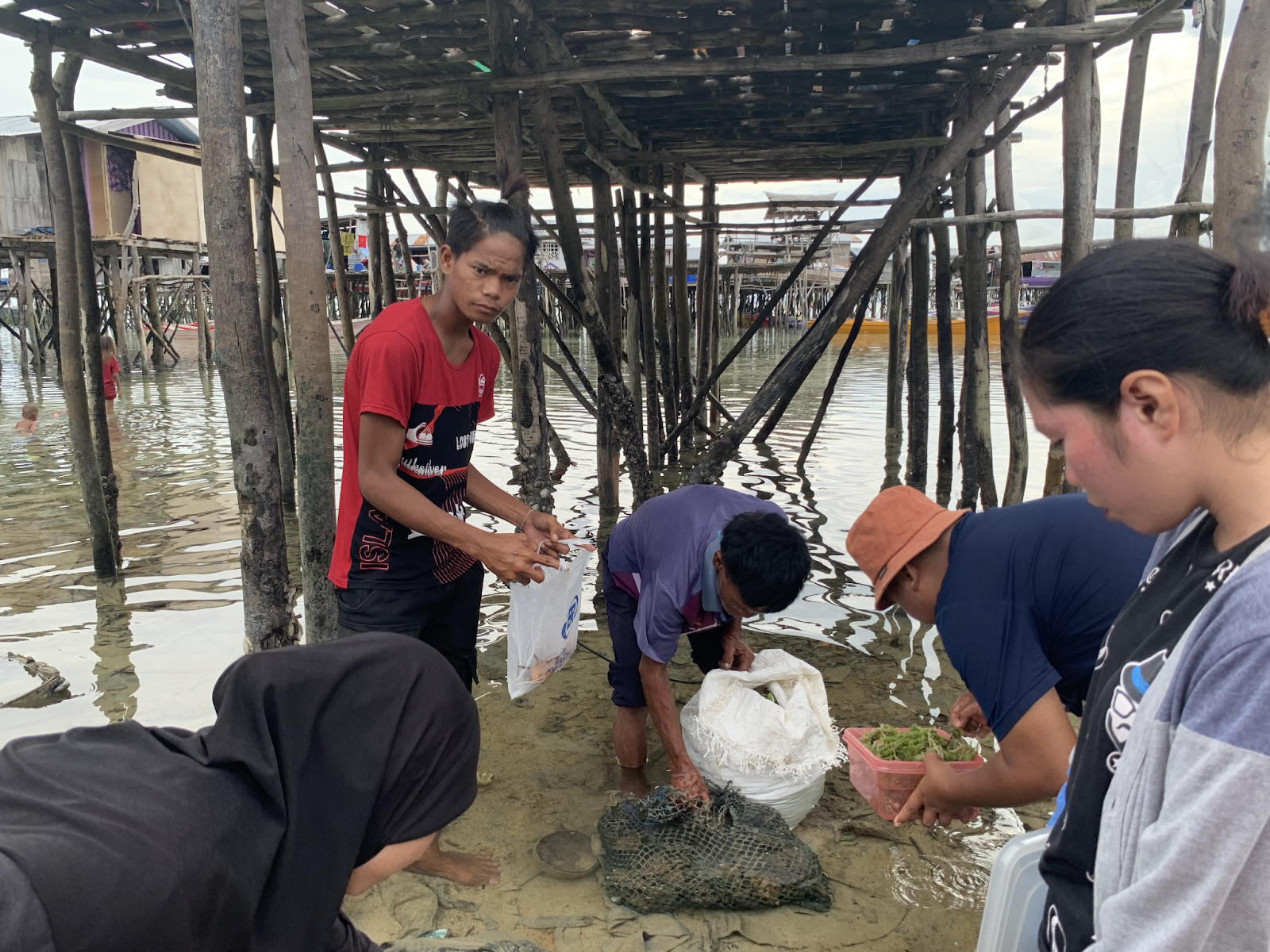
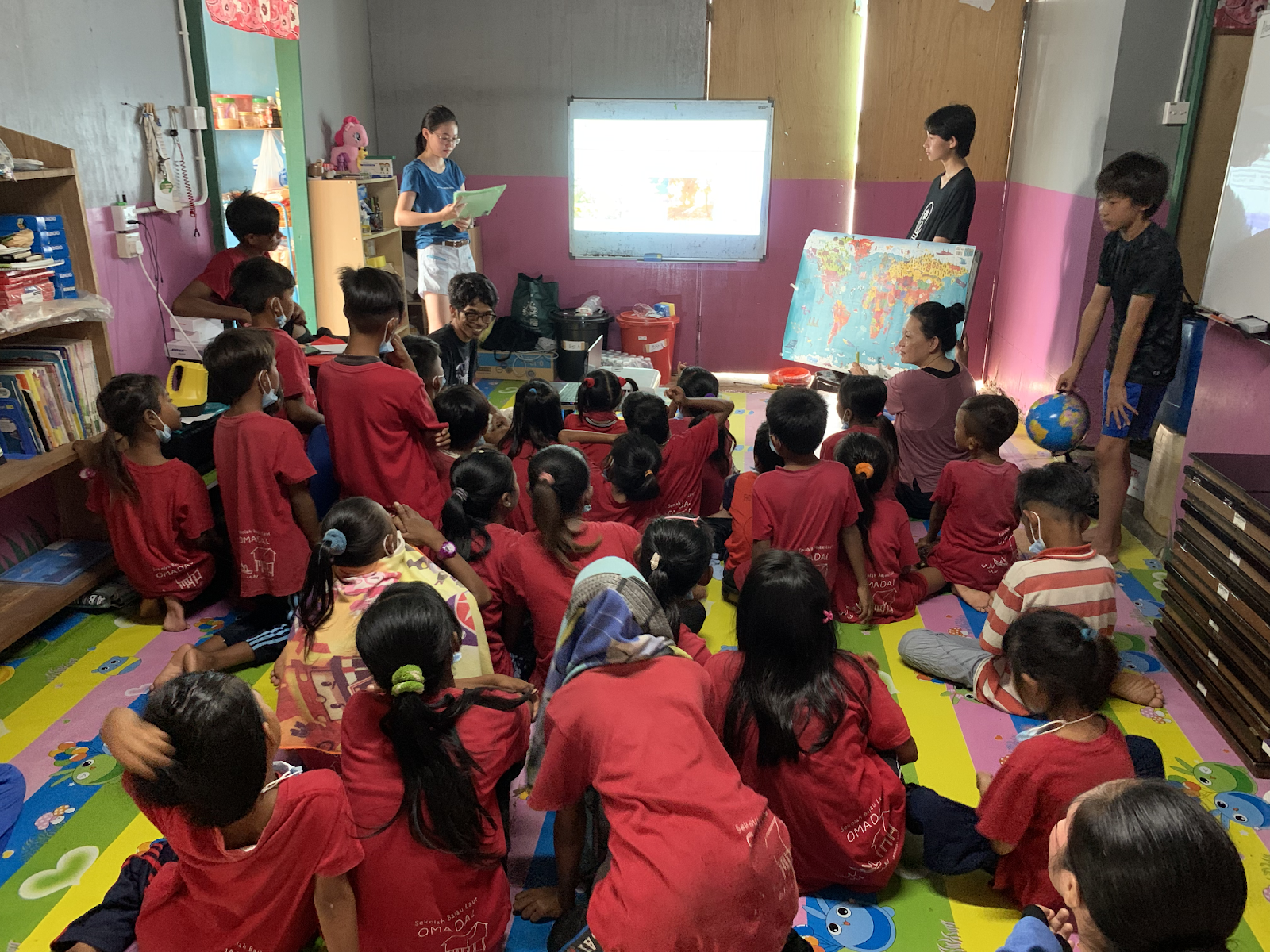
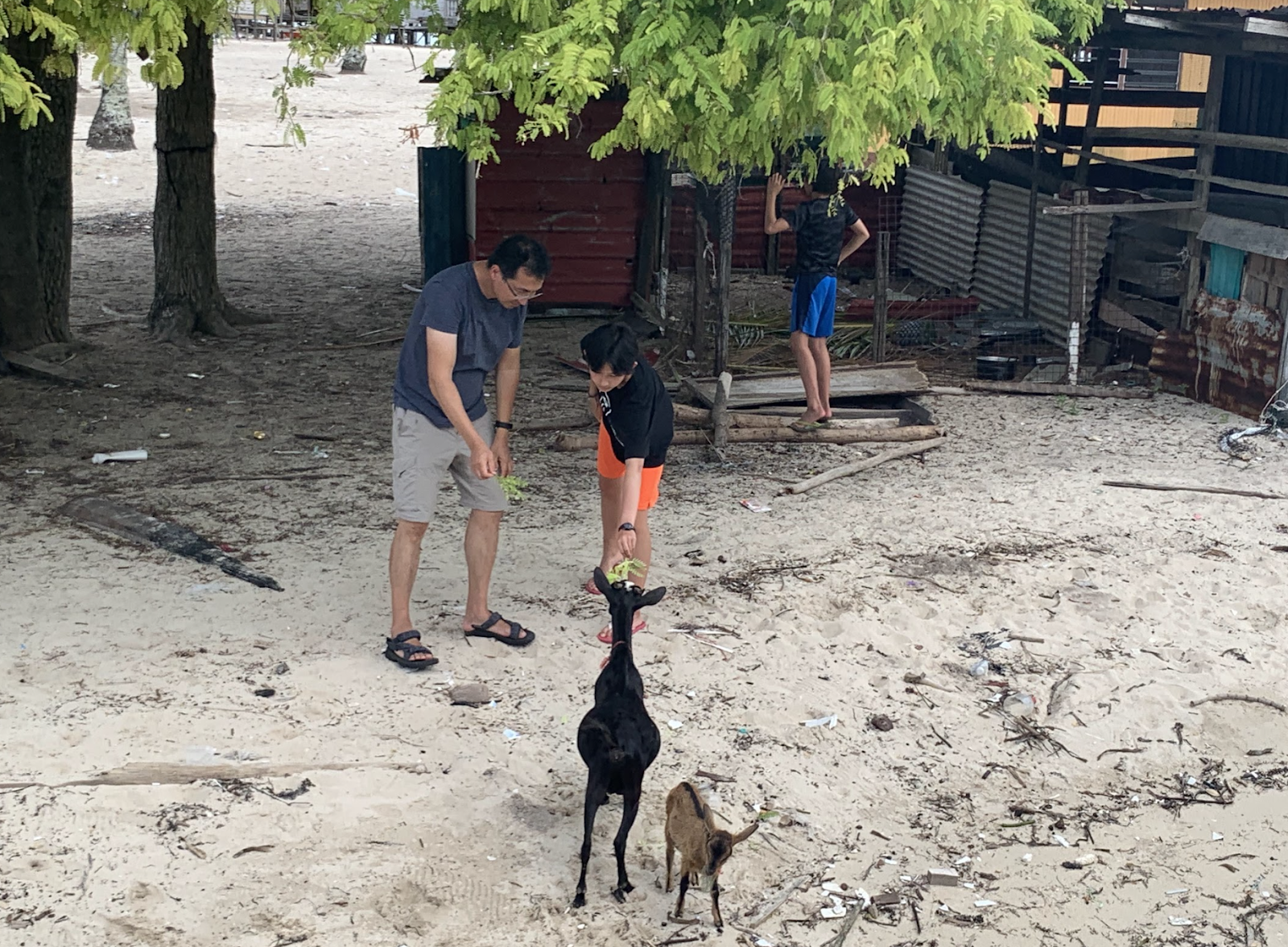
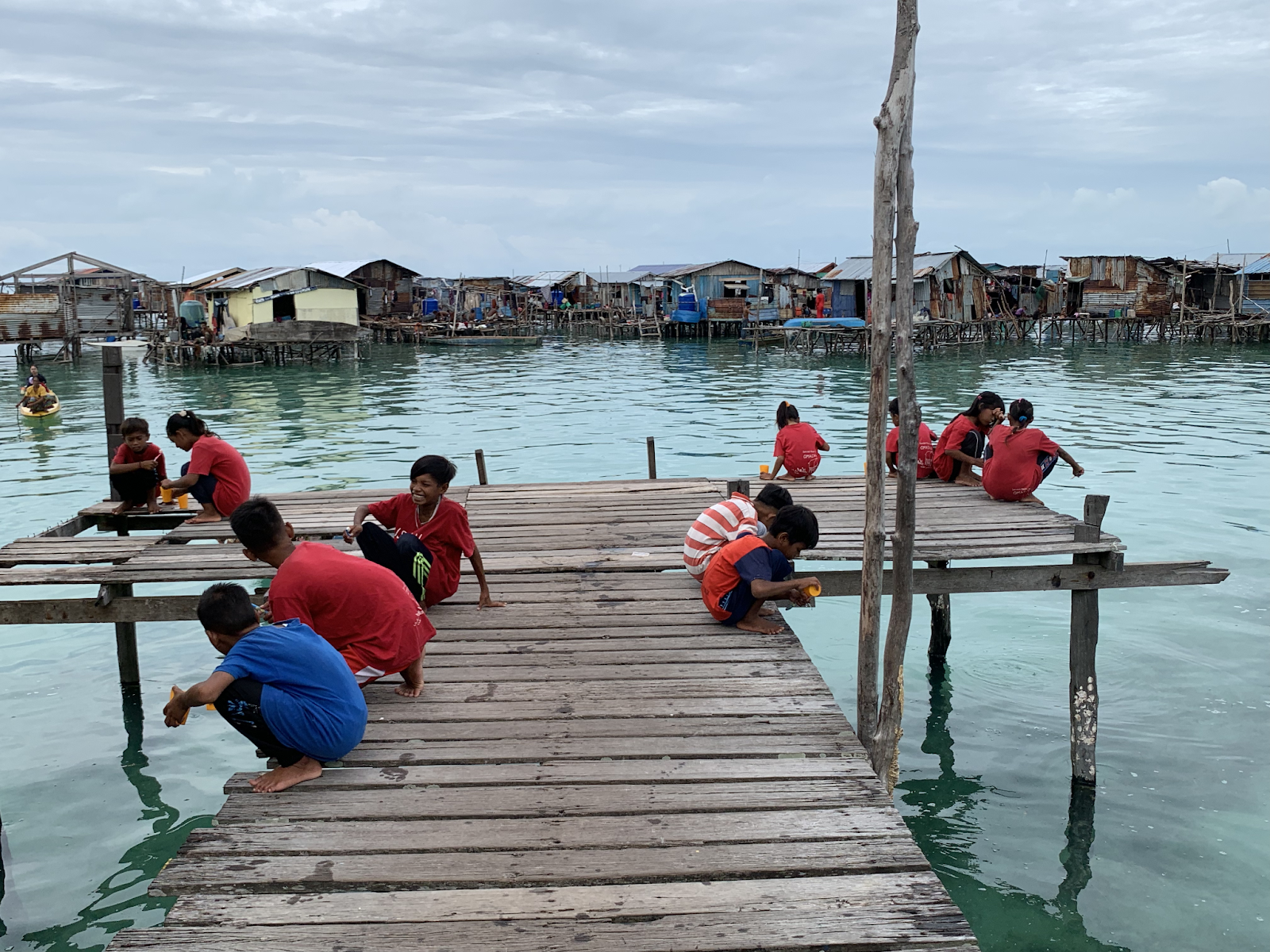
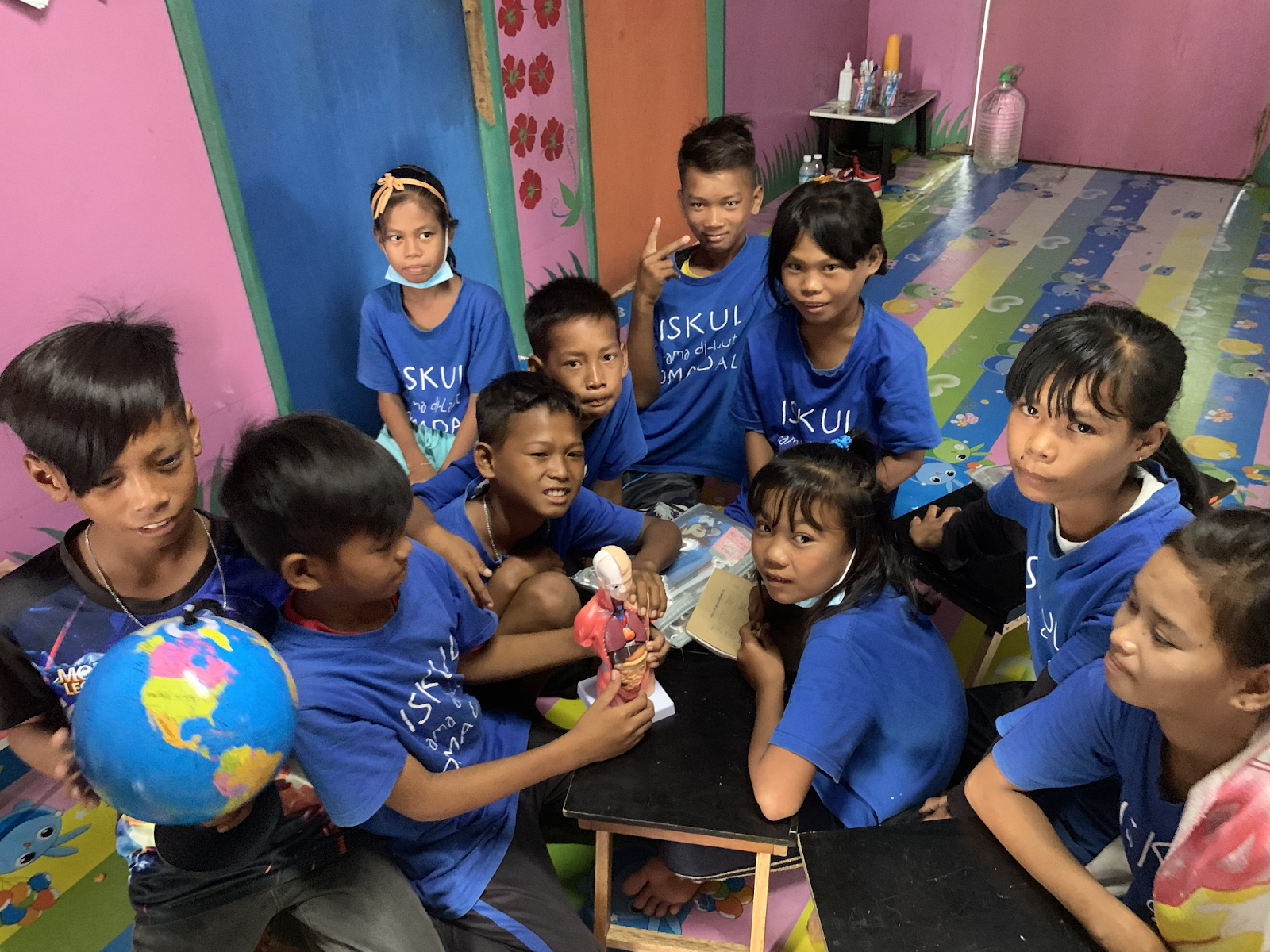
    The next day, when we went to the school again, the kids were brushing their teeth and dumping the used water into the sea. After brushing, they went back to the school and sat reading. When they were done, My sister did a presentation about “Exploring the world”. The kids had never heard of any place besides Malaysia. My mom gave stickers to the kids whenever they answered a question. They were jumping for joy because they like stickers! When the school dismissed, I went to play in the sea and caught crabs and sea stars. My family was busy labeling every book and putting some new things we brought from home, like a human body model, a globe, world map, legos, and some science kits on the shelves. I feel happy that the kids have something to play with now. After cleaning up, we went down the ladder with the teachers and walked to a stateless house at low tide to buy some sea grapes and shellfish. The sea grapes tasted like seawater, and it tasted better when dipped in spicy sauce! At night we stayed in a villager’s home that had electricity and fed some goats.
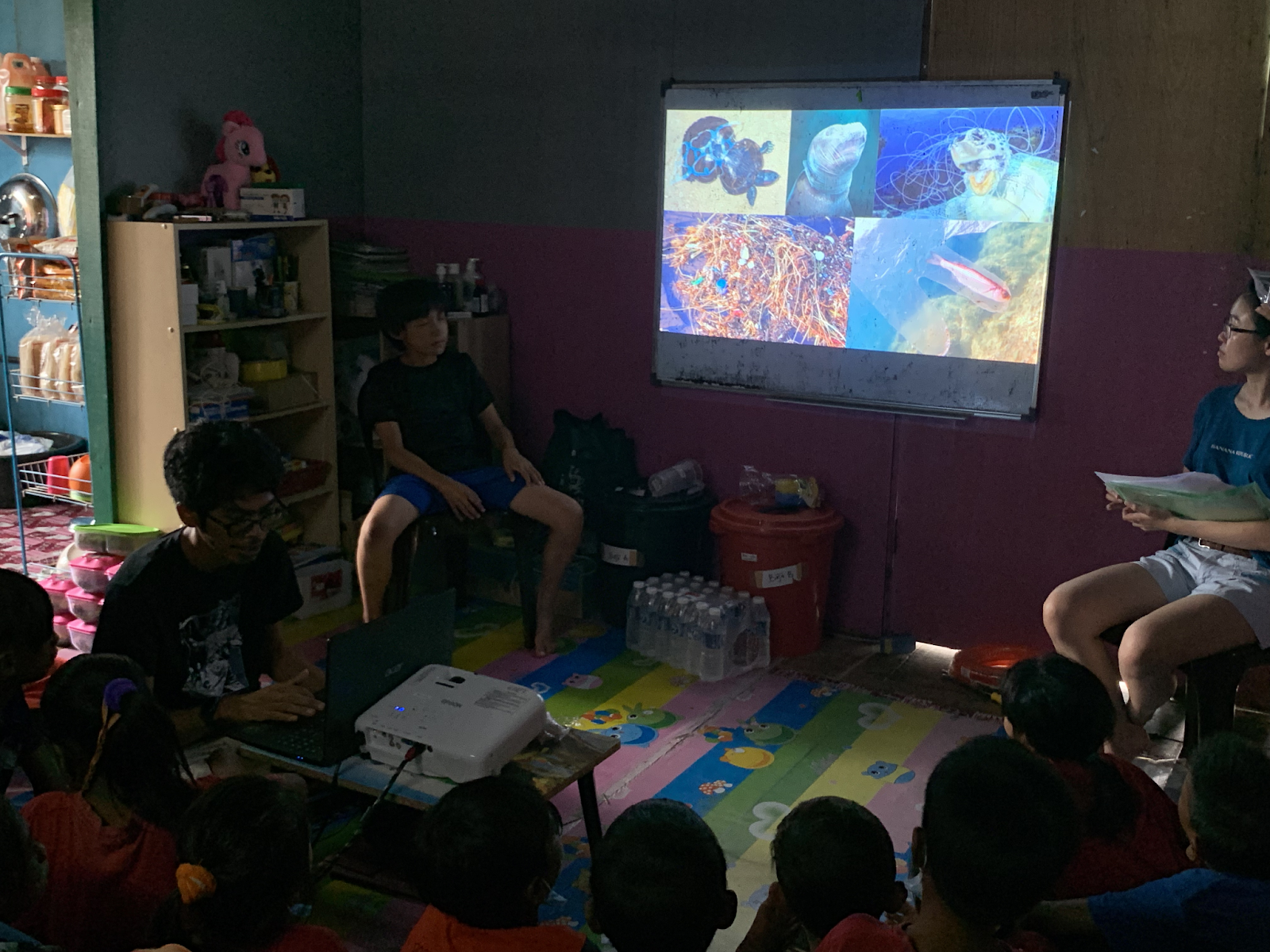
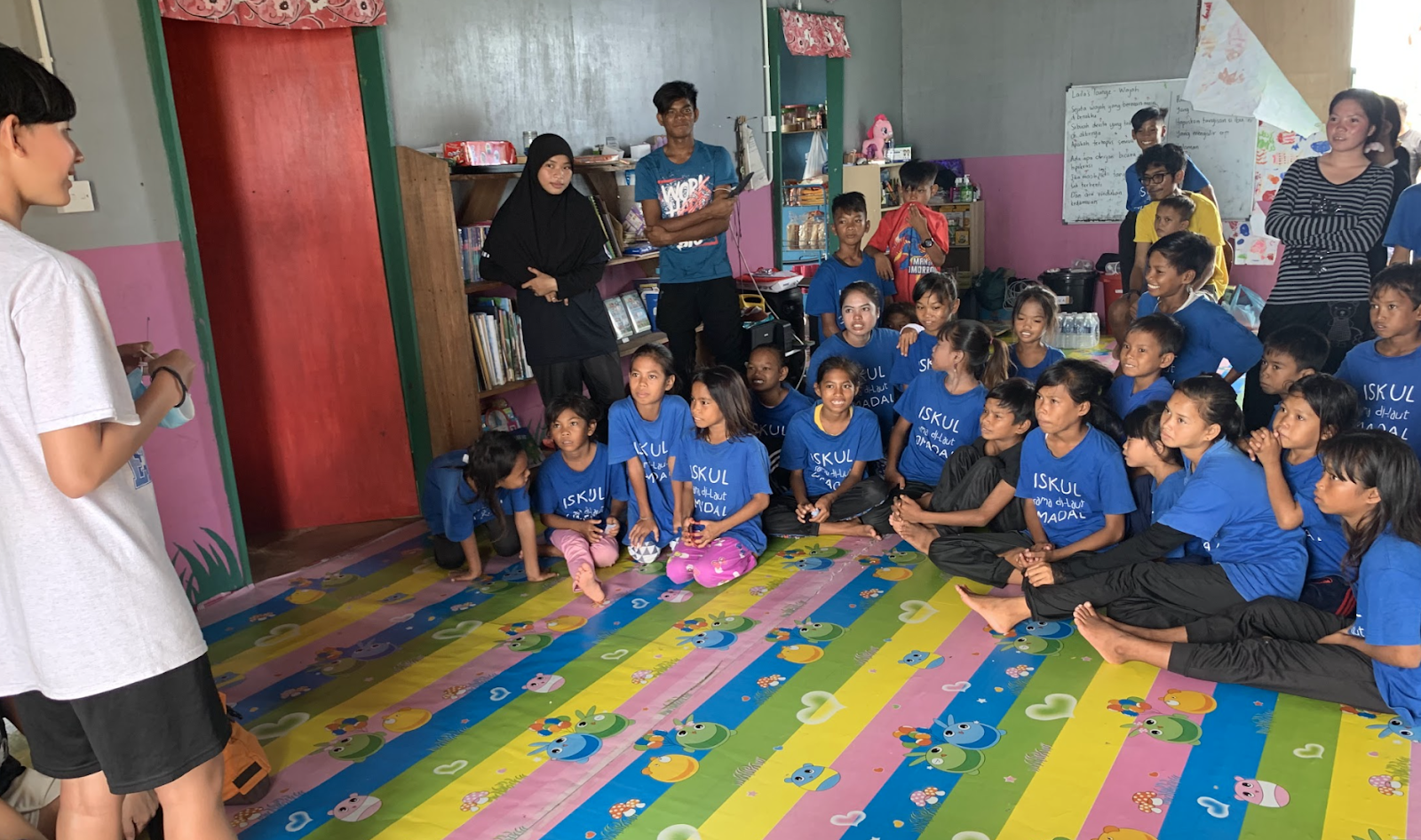
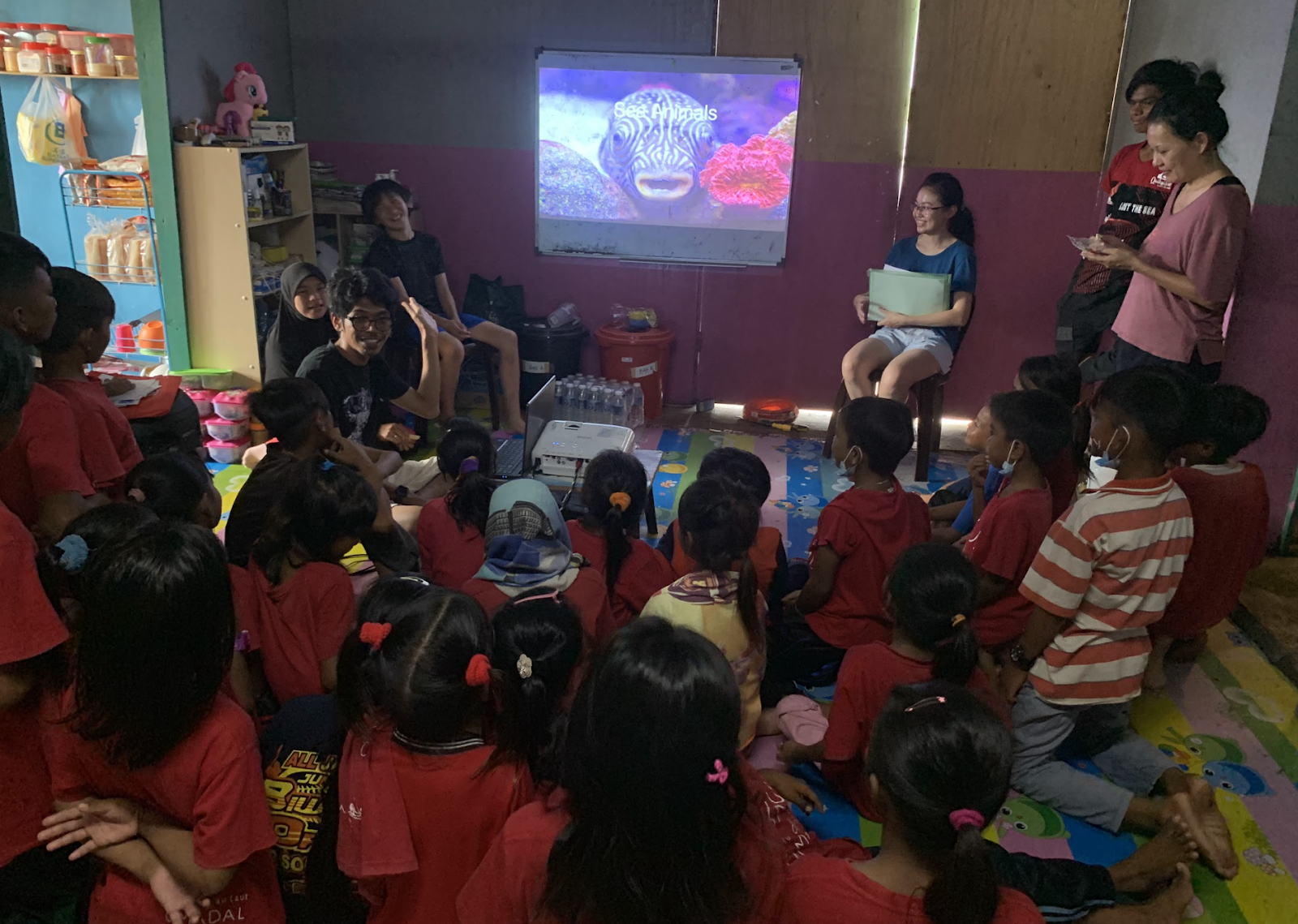
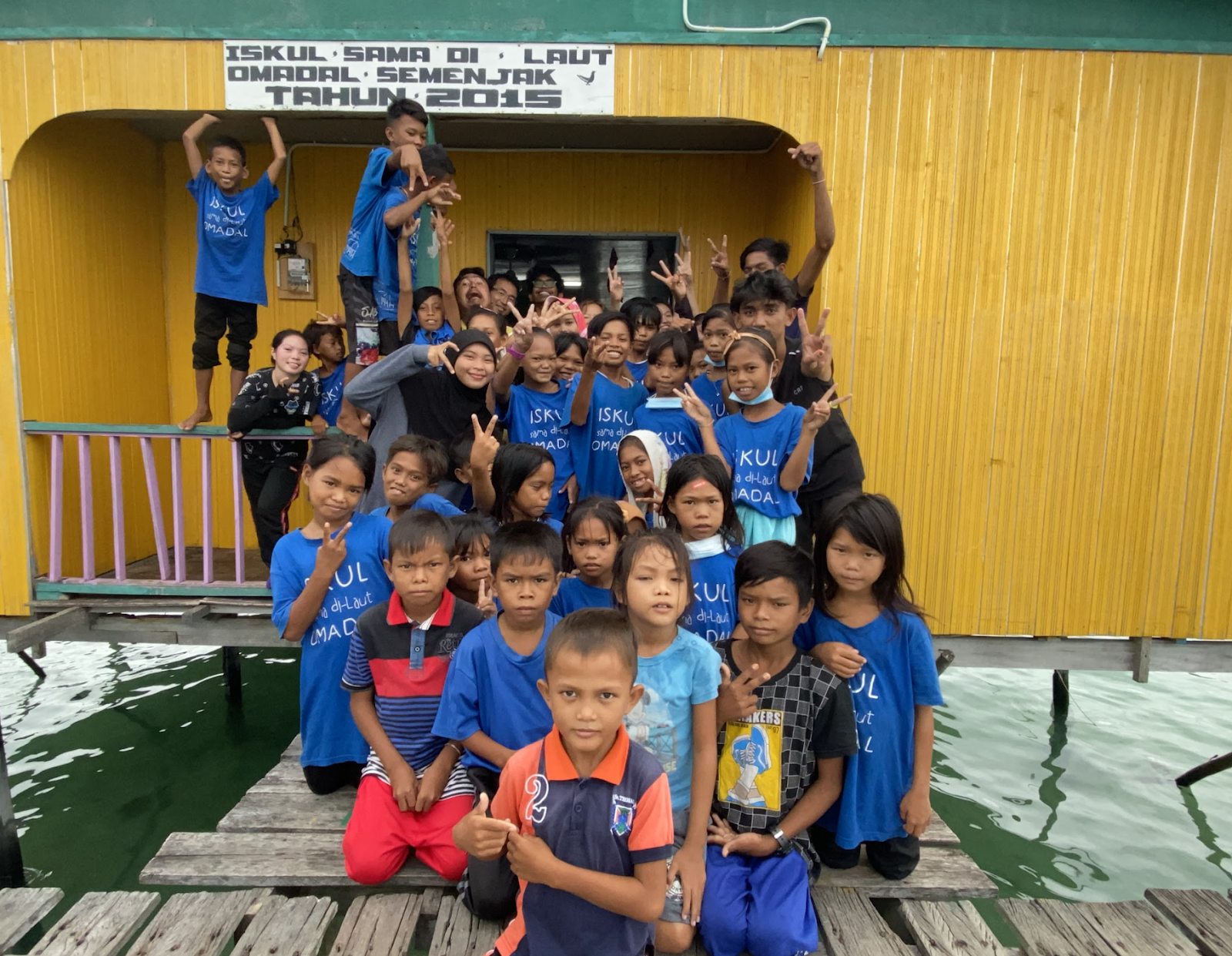
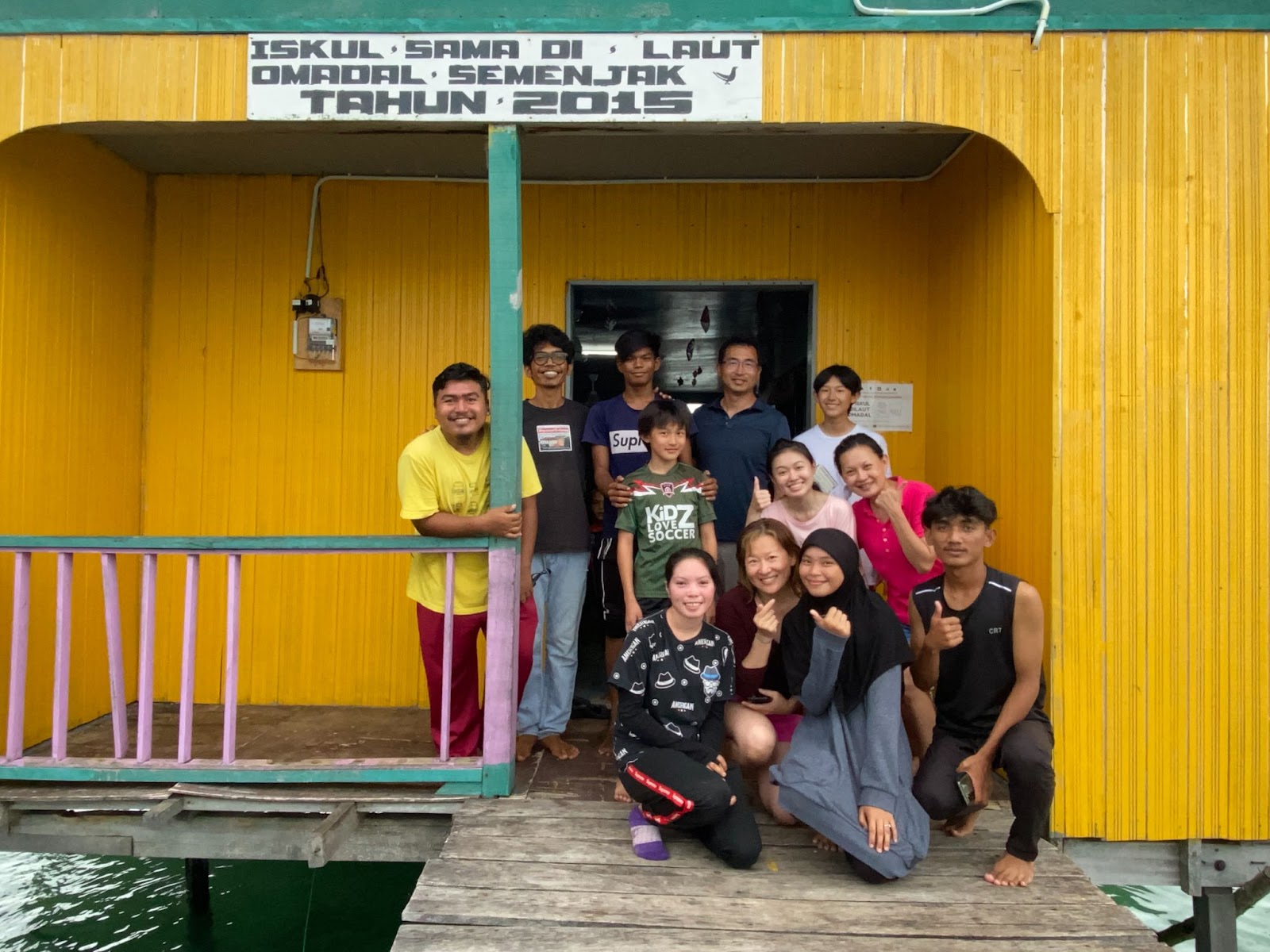
    On our second and last day at Omadal, We gave a presentation about sea animals, and a presentation about the human body. I spoke about not throwing trash in the ocean and I showed a model of the human body on the other presentation. There was a new stateless kid who came from Tawau, which was three hours away from Omadal! She came because they didn’t allow her in other schools because she was stateless. We took a photo with everyone in the school! The kids waved goodbye when we left Omadal. 
    You may be wondering how we can further help these children at Iskul? The children can benefit from more medical supplies, books, and toys such as legos and games. We can spread the word about Iskul, so other people can learn about the children and give them supplies and money. Volunteering as a teacher will also help make sure that the children will learn important skills to make a living for themselves. Lastly, your donations will enable Iskul to pay for more food and student activities for the children.
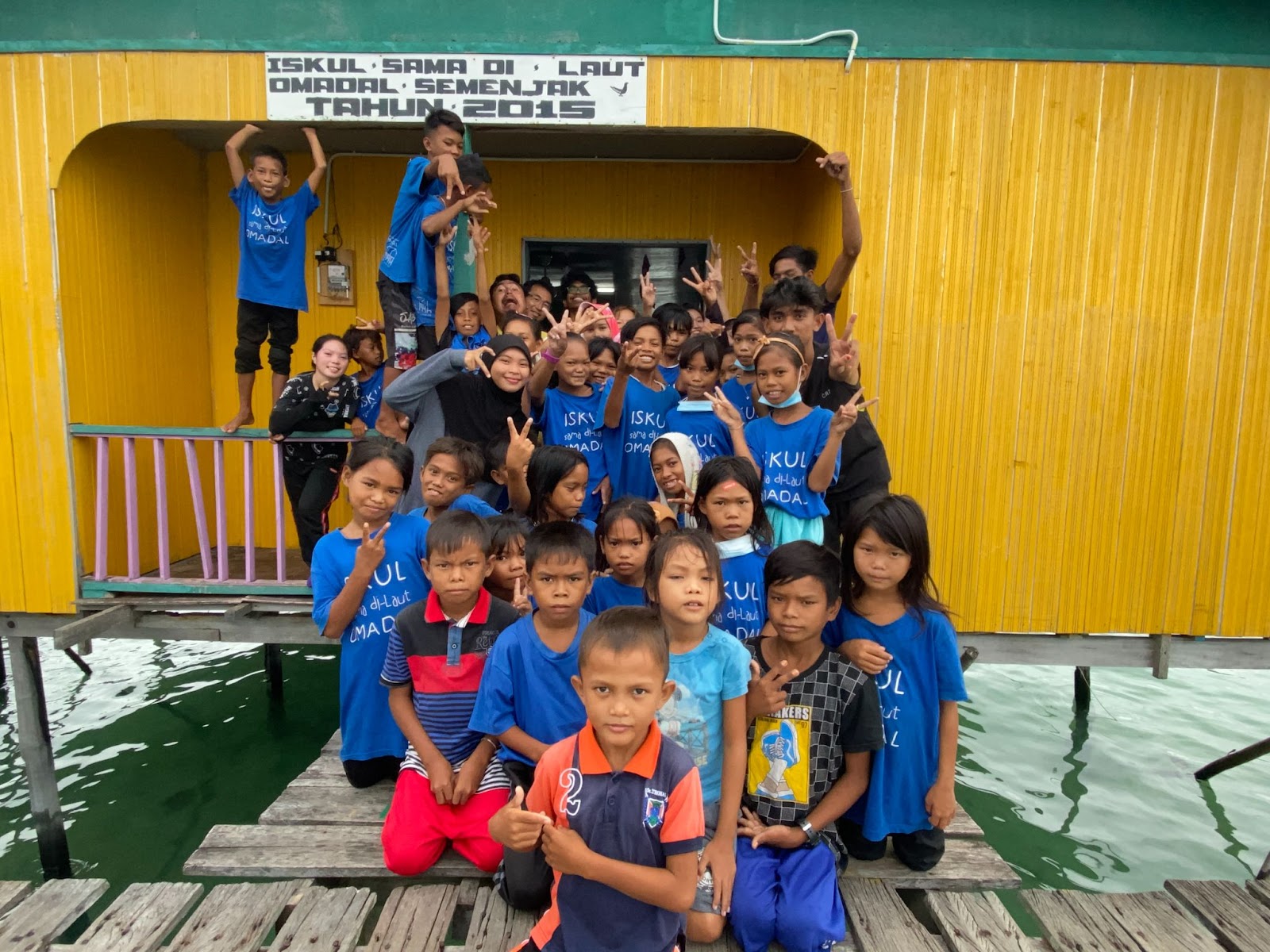
    Vince and family volunteered at Pondok Iskul, Omadal for 3 days where they shared their knowledge and culture with Iskul students and the students shared theirs with them. Vince and family helped Iskul in many ways such as bringing educational items, Lego and assisting with our inventory system. Below is a short recap of his experience at Iskul.
  • Trip to Omadal Island

    By Lindsey Luo

    Lindsey Luo and family volunteered at Pondok Iskul, Omadal for 3 days where they shared their knowledge and culture with Iskul students and the students shared theirs with them. Lindsey and family helped Iskul in many ways such as bringing educational items, Lego and assisting with our inventory system. Below is a short recap by Lindsey of the family’s experience at Iskul.

    We went to Omadal on July 17th, 2022 and stayed there for 2 nights and 3 days. It was very interesting for me because I had never done something similar before. My family and I went on the trip so we could help a school called Iskul located there. Iskul is a non-profit school in Malaysia founded by Chuah Ee Chia to provide basic education to stateless children. Some of their ancestors were sea gypsies, and some were refugees from the Philippines. Because of their nomadic lifestyle, they missed Malaysia’s citizenship registration in 1969, so now they are stateless. Without documents, these children are stuck in Omadal and can’t enroll in any public schools.

    We got to the island by a speedboat, and the first thing I noticed was the quality of the houses. All of them seemed very old, and they were built on top of the water. The school seemed like one of the better quality buildings, but it wasn’t like the buildings in mainland Malaysia. The school building was a lot smaller, and it was made out of planks of wood that had wallpaper on top. The second thing I noticed was how many people were in the water. A lot of the younger kids weren’t wearing clothes, and they were rowing boats, boogie boarding, playing volleyball, and running around. 

    The weather at Omadal wasn’t too hot, but it was pretty warm. During the days we were there, there was no rain. My mom told me that when it rained, people would put buckets out so they could use the rainwater for showering and drinking because they didn’t have a clean water system. In fact, the water we used to wash ourselves was rainwater.

    When we passed by the school’s window in the boat, some kids poked their heads out and waved at us. We waved back, and when we climbed up the ladder we saw the kids in the main room each drawing a dot-to-dot mouse. After the teacher gathered everyone into the main room, we introduced ourselves. The kids were asking us questions like our names, age, and where we came from. Soon after, the school was dismissed. A few kids stayed behind so the teachers could tend to some wounds that they had on their bodies. Later, the teachers explained that since Omadal had no clinics, the students and their families went to the teachers for medical help.

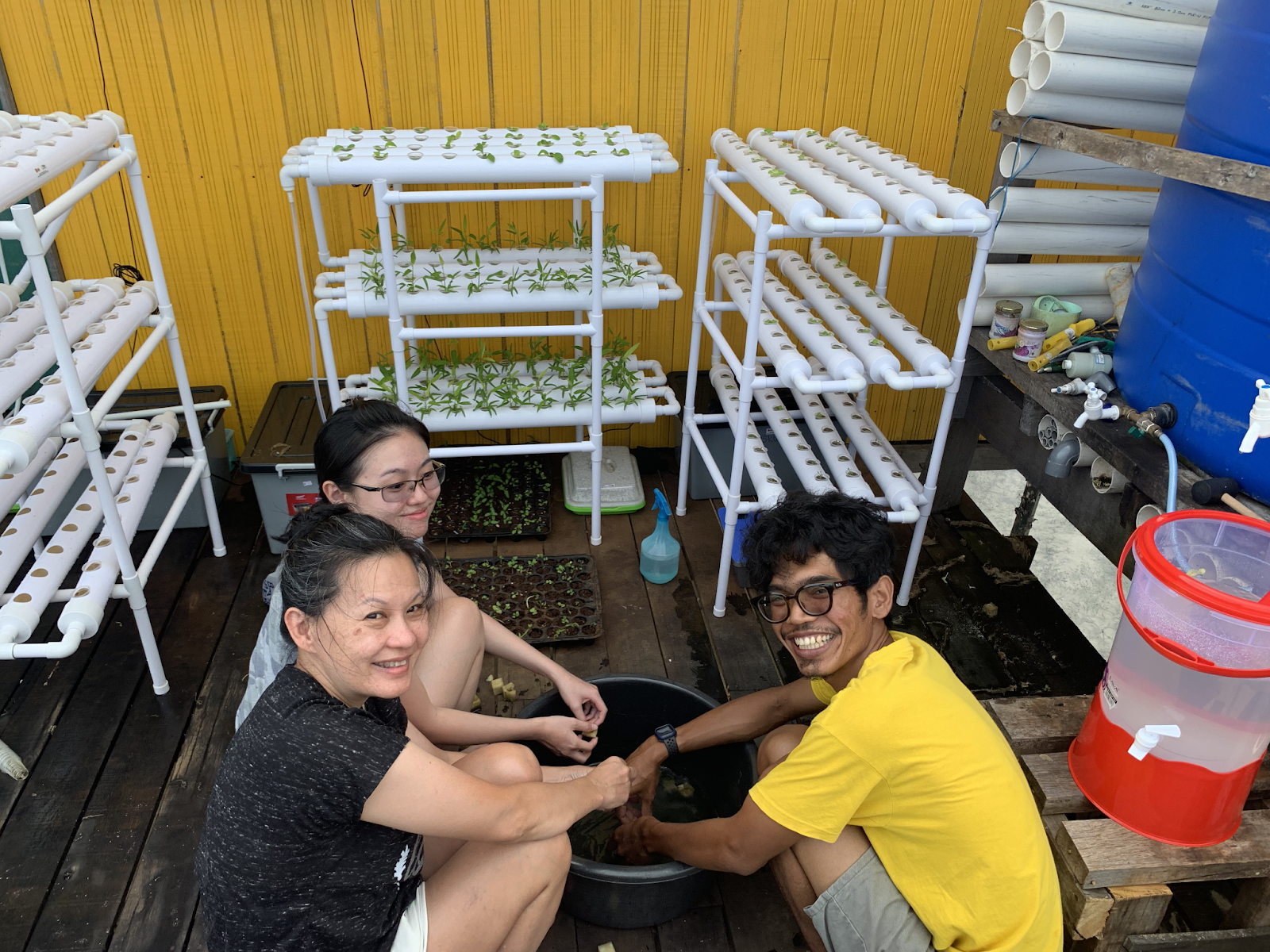
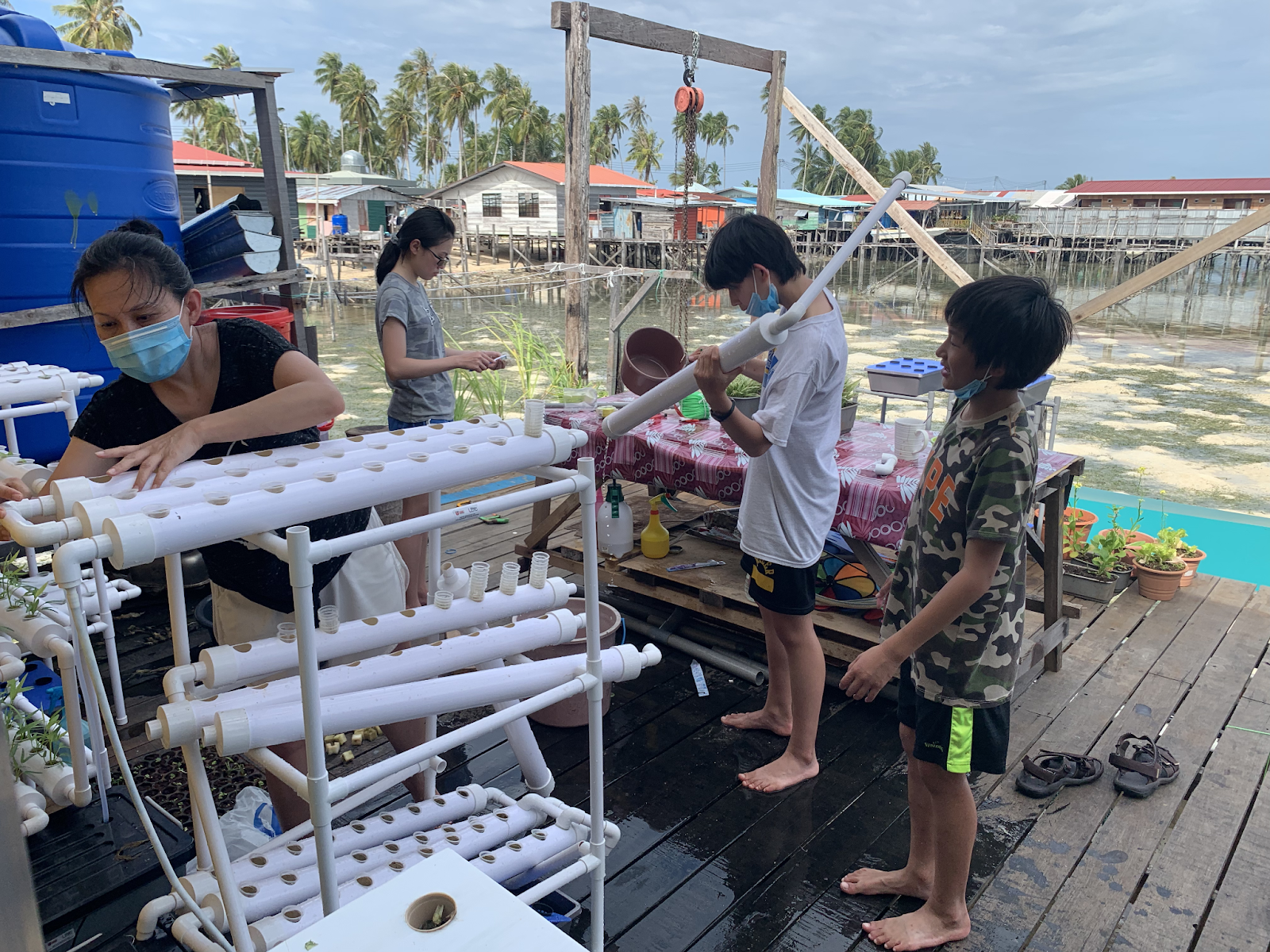
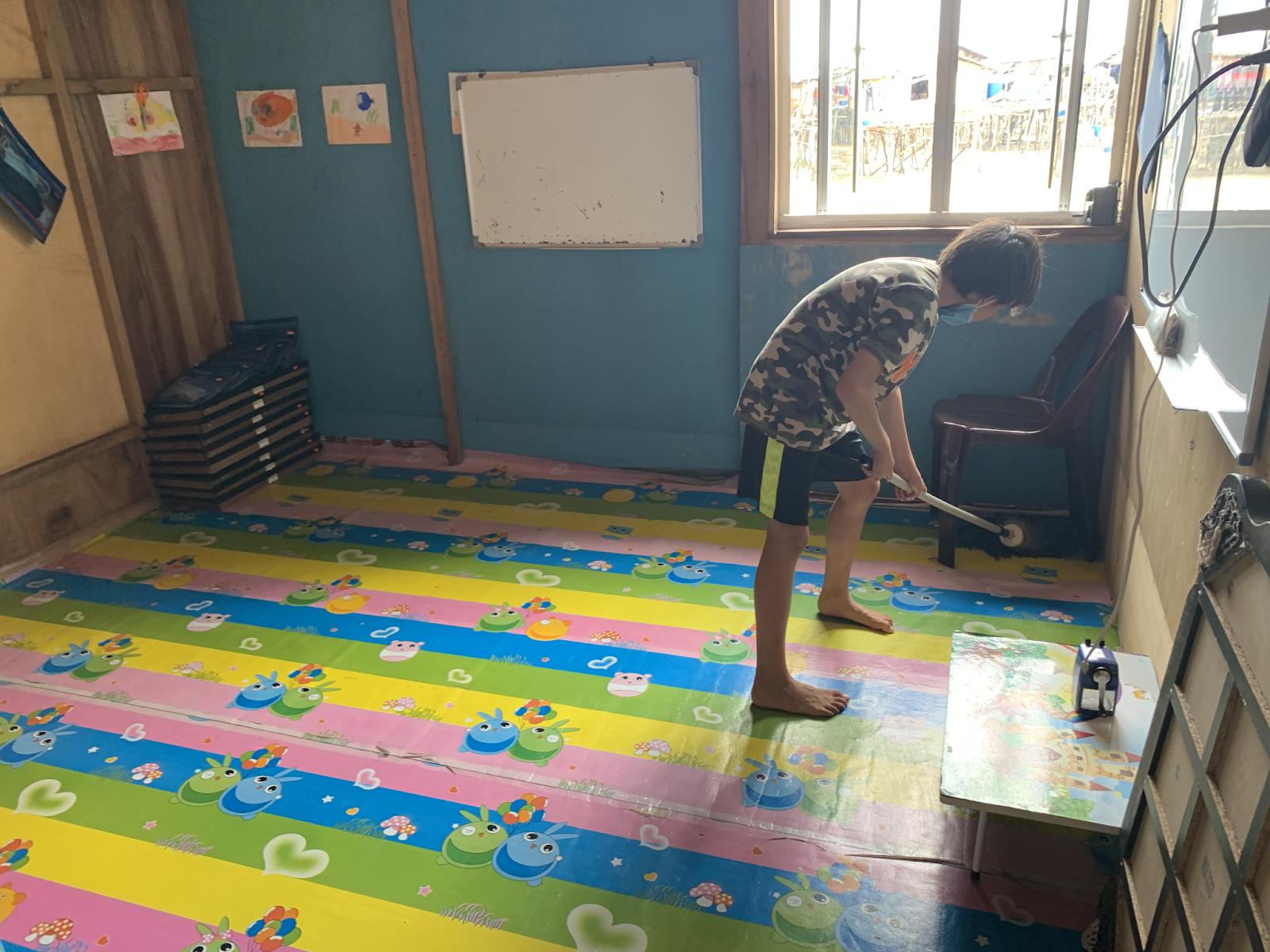
    We stayed behind to help sweep and mop the floor. We also cleaned some pipes with holes in it that were used to grow plants. My cousin helped the teacher remove old plant sprouts from some sponges and put in new ones. Jefry, the main teacher, told us that the plants were used for science projects, but they were also used for food for the students. My mom and I helped with inventory tracking by putting stickers with special numbers and words on objects around the classroom. When my brother and I were finished helping, we went down the ladder and into the ocean, and looked at sea cucumbers, starfish, and sea urchins inside. The tide was low during that time so the water was only up to our calves. We also watched two boys playing a game of volleyball in the water. Their makeshift net was a string tied between two poles that Iskul was built on.

    The place we stayed in was owned by a person who had identification, unlike most of the people on the island. He was allowed to leave the island since he had documents, while others had no choice but to stay. His house had water and some electricity, which the other people couldn’t afford. 

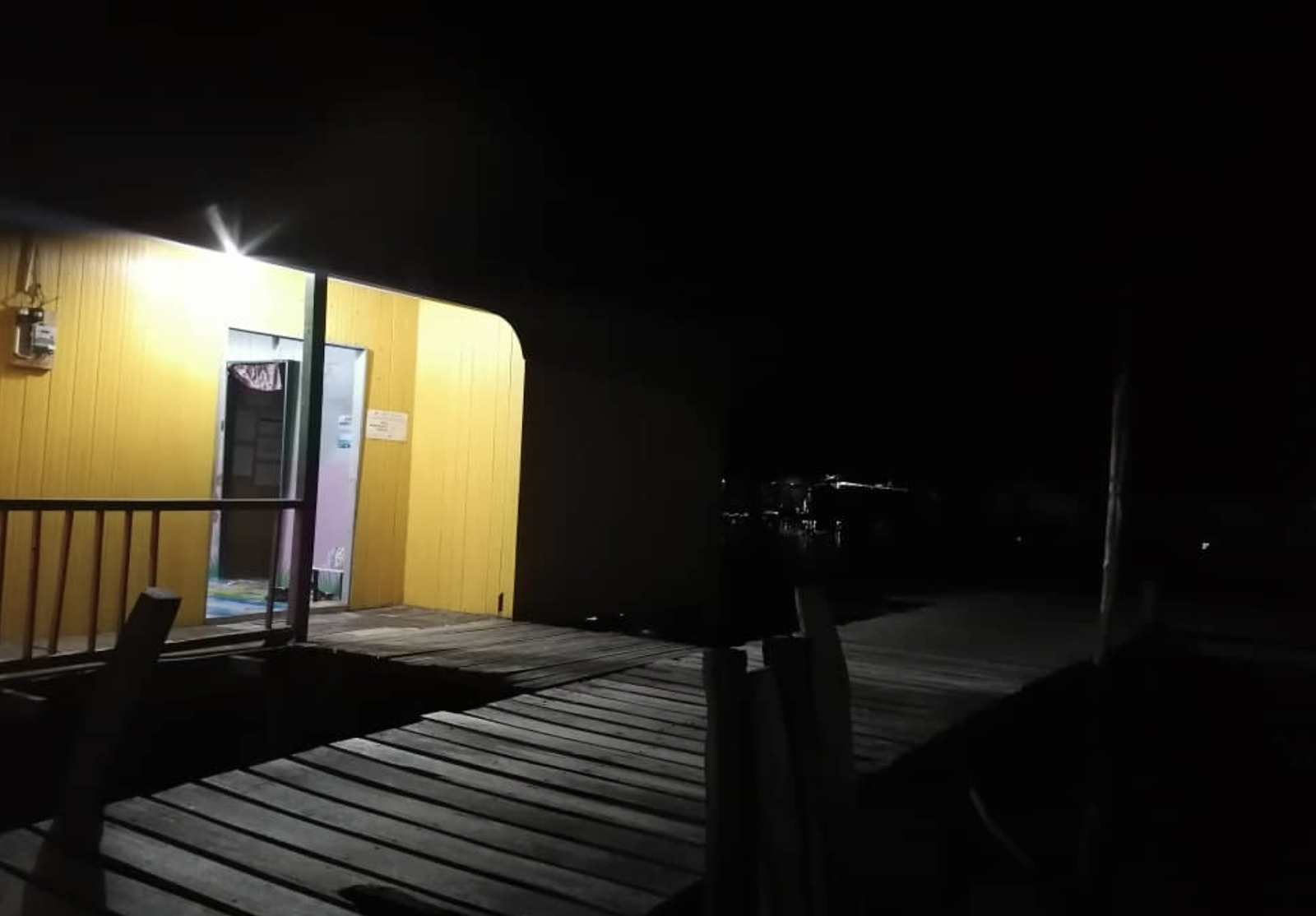
    At night, my family was surprised by how dark it was outside. We were so used to seeing city lights. 

    On the second day at Omadal, my brother and I showed two presentations that we made to the kids. The first one was called Around the World, and the second one was called Marine Environment Protection. The students in Iskul didn’t know any places besides Malaysia, so we taught them about continents, seasons, and animals that lived in different countries. The kids seemed very curious and excited to learn about new places. The students participated a lot and learned very quickly. The teacher would translate the words and have the students answer questions he asked.

    A lot of goats lived near the house we stayed at, so one day, I ripped leaves off a tree and fed them to a goat and its baby. Soon, about 3 or 4 goats noticed and came to eat from my hands. Sometimes, they fought over the food and headbutted each other with their horns. There were also some kids running around and playing volleyball outside. Two of them lured dogs into a square of closed fence and hosted dogfights. It was entertaining to me, but I worried the dogs might try to bite the kids once they were let out. The kids asked for our names, but we couldn’t communicate well because they didn’t know a lot of English.

    Before my trip to Omadal, I was skeptical about going because teaching was new to me and I was nervous about the lack of clean water and electricity there. But when it was time to leave, I sat in our boat and looked at all the kids waving at us. I thought, “I would really like to come back to Omadal someday!” This trip was a rewarding experience for me, and I felt grateful that we could offer to support Iskul.

    There are many ways you can help Iskul. You can help spread the word by sharing Iskul’s blogs or videos on social media, because the more that the world knows about Iskul, the more people who can potentially help the school. You can also donate money to help fundraise or donate items for the teachers. Another option is volunteering at Iskul by teaching the students or cleaning up the classroom. With your help, Iskul can get a clean water supply, a good sewage system, healthcare, and education.

  • Testimonial from Iskul Field Coordinator, Aida

    In 2018, Iskul had the opportunity to bring on-board a full-time Field Coordinator, many thanks to the generous donors who have supported our #50forIskul fundraising campaign in the previous year. The Field Coordinator is expected to guide our Mastal Arikik, evaluate the teaching and learning experience, as well as to be entrusted as the guardian of Pondok Iskul. 

    We managed to get in touch with Aida, who was on board from mid-February 2018 to mid-January 2019. Due to local political conflict, Iskul was forced to let her go and fortunately, she is now serving in The Fire and Rescue Department of Malaysia. 

    The following is her sharing in Bahasa Malaysia, extracted from a brief conversation:

    Apakah 3 perkara yang Aida belajar dari Iskul?

    Pertama, saya dapat mempelajari dan memahami tanggungjawab dan tugas saya sebagai seorang penyelaras Iskul. Kedua, saya juga berpeluang untuk merancang pelbagai aktiviti yang menarik bersama rakan penyelaras dan Mastal Arikik. Akhir sekali, saya telah belajar menyelesaikan masalah-masalah dalam kelas, antara pelajar dan lain-lain tugasan yang diamanahkan. Pengalaman ini menjadikan saya lebih bijak dalam menguruskan tugasan yang diamanahkan bagi sesuatu pekerjaan. 

    Apakah 3 cabaran Aida sebagai Penyelaras Iskul?

    Saya berpendapat yang utama, segelintir konflik yang wujud berkaitan dengan permasalahan peribadi atau dibawa oleh individu dan bersifat emosional, dan tidak mudah untuk didekati bagi mendapatkan penyelesaian jelas. Ketidaksefahaman dan kecaman orang kampung kerana saya menolong komuniti tanpa kewarganegaraan menyebabkan banyak tekanan kepada saya. Selain itu, saya berasa saya masih perlu membaiki pendekatan komunikasi saya. 

    Bagaimana Iskul telah membantu Aida bertambah menjadi lebih baik?

    Menjawat peranan sebagai seorang penyelaras, nilai kepimpinan dapat dipupuk dalam diri saya. Selain itu, saya menjadi matang untuk berfikir dan mempunyai lebih banyak kesabaran dari pengalaman baik dan buruk yang saya alami semasa di Iskul. Tanggungjawab saya sebagai seorang penyelaras di Iskul telah memupuk nila berdikari dalam diri saya dan menjadikan saya seorang pemimpin yang berwibawa dan dihormati oleh pelajar-pelajar Iskul sehinggalah sekarang. 

    Apakah yang Aida paling rindu di Iskul?

    Sepanjang perkhidmatan saya bersama Iskul, hubungan saya dengan pelajar-pelajar Iskul telah bertambah erat, kukuh dan bersatu. Kami akan saling menghormati. 

    Apakah pengalaman terindah Aida di Iskul?

    Pengalaman terindah adalah masa Hari Sukaneka dan Majlis Anugerah Cemerlang akhir tahun 2018. Semasa aktiviti dijalankan, sebarang perselisihan faham dapat dielakkan dan suasana yang harmoni dapat dirasai. Saya juga dapat berkomunikasi dengan baik dengan peserta-peserta aktiviti.

    Iskul would like to record our gratitude for her excellent service with Iskul and we wish her the very best in her endeavours. The students missed her around and Iskul’s door will always be open to welcome her back to contribute when she has the time to spare.