Tag: Students

  • Nominated for an award by Unicef

    Several years have passed since Khairul, our co-founder was nominated for this award. His work with Iskul still makes a huge difference in the lives of the stateless children on Omadal.

    Khairul is Iskul’s co-founder and pioneer Mastal Arikik. He was one of the first to teach the younger students. This formed the basis for our educational structure at Iskul. Not many young boys want to spend their free time after school teaching others. But, he picked up the role and continues to advocate for his community till today. He conducted the first trial class at 14, and committed to teaching on weekends. 

    After SPM, he stepped up as the Field Coordinator trainee. His background and experience provides insight to the Malaysian and stateless communities of Omadal Island.

    He began training as the Field Coordinator in 2020. He is now in charge of Iskul’s meals and organising activities. He also acts as the key link with orang Kampung and external parties. Additionally, he is responsible for documenting Iskul’s activities.

    Watch the video on his nomination below!

    Fifteen-year-old Mohd Khairul Bin Atim was born in Pulau Omadal, Sabah. He spends his free time making sure that the Bajau Laut children in his village are capable of reading. He also ensures they can write.

    He is one of 10 finalists of the inaugural Tuanku Bainun Young Changemakers Awards 2015.

  • Students’ Progress Evaluation (2015-2018)

    3 January 2020

    We analysed the progress and impact of the 16 students who have joined Iskul since the inception for 3 consecutive years from 2015-2018. The 16 students were given Test 1 on Sept 2016, Test 2 eight months after, followed by Test 3, a year later (March 2018). Assumptions made for this analysis are:

    • There were a minimum of 2 hours per class, 2 classes per week
    • Students’ attendance is at an average of 70% 

    Using these assumptions and data, according to national school days (5 hours/class, 5 days/week), they attended about 70 days or 14 weeks (less than 4 months) of school over the past three years.

    Overall, we are pleased with the result considering that the actual time our 16 students spent on a normal schooling period is just less than 4 months. Based on our observation, Iskul students have mastered basic numeracy, however, they are still mostly weak in the Bahasa Malaysia language, although most of them have no problem understanding and engage in basic conversation in Bahasa Malaysia. The greatest outcome is that two of our students from this test have now become Mastal Arikik (MA) to teach the new batch of students.

    From the result, we noticed the shift in students’ progress when we provide teaching camps to our MAs to improve their teaching quality and when we find SPM graduates to teach. We also like to note that the involvement of our Headmistress in teaching demonstrated that students learned faster. 

    In a nutshell, we found that MAs with better results can teach better and have better skills in transferring knowledge to the students, although it is not as efficient as having an adult/qualified teacher to conduct the teaching. 

    Moving forward, Iskul aims to:

    • focus on language mastery
    • consult a language (BM) teacher
    • create a learning-enabled environment
    • employ an adult teacher

    Iskul feels strongly that if the children do not continue practising what they learned, they will forget as time passes and it would be a waste. Therefore, for the graduating students, Iskul hopes to create programme(s) to encourage the students to continue learning and contribute to Iskul long-term. 

    The analysis’ results are divided into three parts:

    • Result 1: The basic evaluation criteria used during Test 1 for all three tests
    • Result 2: Further evaluation on Mathematics in Test 3
    • Result 3: Further evaluation on Bahasa Malaysia in Test 3

    Result 1: The basic evaluation criteria used during Test 1 for all three tests

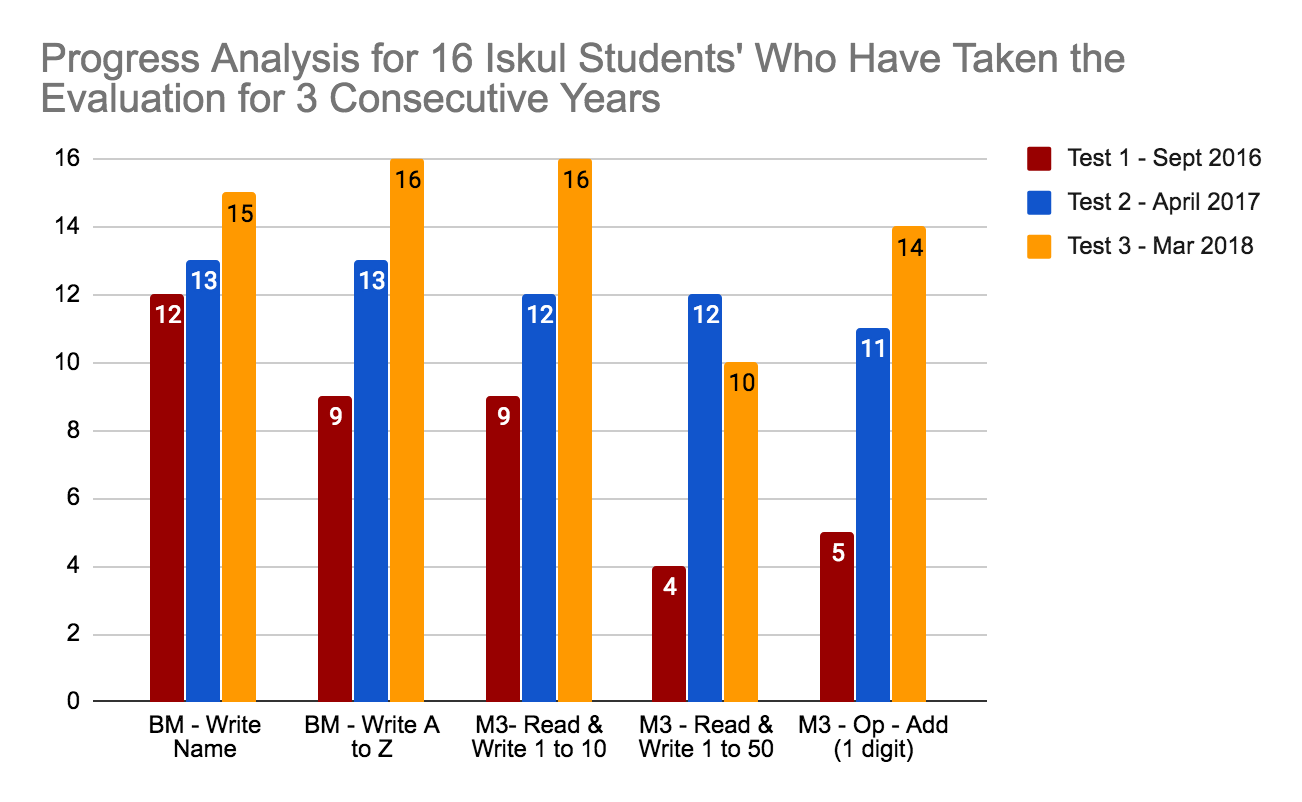
    Graph 1. Progress Analysis for 16 Iskul Students who have taken the Evaluation for 3 Consecutive Years

    As shown in Graph 1, there is a steady increase in the number of students who can perform all five basic criteria of assessment from Test 1 to Test 3.

    By Test 3, all 16 students can write A to Z and read and write number 1 to 10. All except for 1 can write his/her own name. Those who can do simple 1 digit addition increased by 19% to 14 students from Test 2. Oddly, two students digress from being able to write the number 1-50 to only 1-20. Further investigation reveals that their attendance is an average of 60%.

    Result 2: Further evaluation of Mathematics in Test 3

    In the further evaluation of Mathematics, the students were tested on how many digits they can write and recognise, reading clock and questions related to addition, subtraction, multiplication and division.

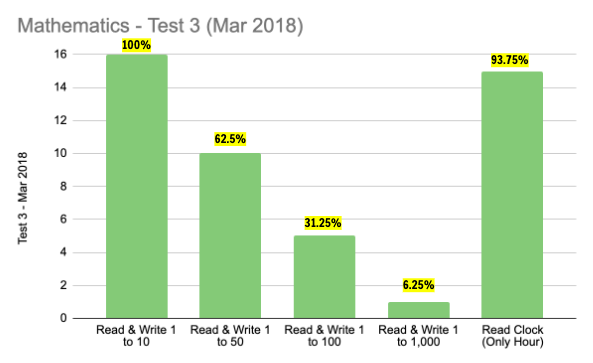
    Graph 2. Read and Write Number and Read Clock Result in Test 3

    Graph 2 shows that all students can write the basic number from 1-10, while only 10 students can write from 1-50. Interestingly, 1 student can write up to 1,000 and 5 can write up to 100. With regards to reading time, about 94% of the students can read only up to the “hour” hand.

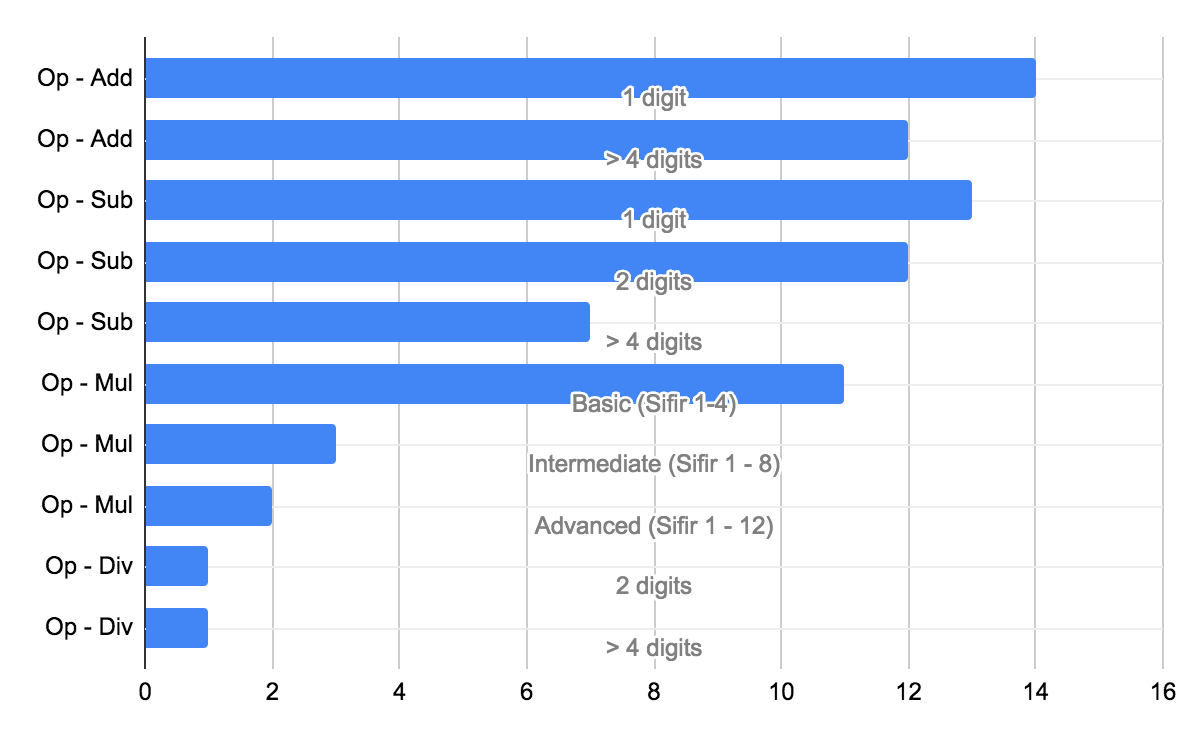
    Graph 3. Mathematical operations of addition, subtraction, multiplication  and division according to digits

    We’re delighted to note that more than 75% of our students can solve additional operation questions up to 4-digits. More than 70% of them can solve subtraction questions up to 2-digits while only 43% of them can do up to 4-digits. Furthermore, about half of them can memorise the multiplication table from 1 to 4. However, a majority of them are still unable to solve division problems. 

    Interestingly, one student has mastered the basic arithmetics – able to memorise multiplication table up to 12 and solve up to 4-digits division questions

    Result 3: Further evaluation on Bahasa Malaysia in Test 3

    Test 3 for Bahasa Malaysia evaluates students on two things: (1) recognising body parts and (2) recognising terms for family members.

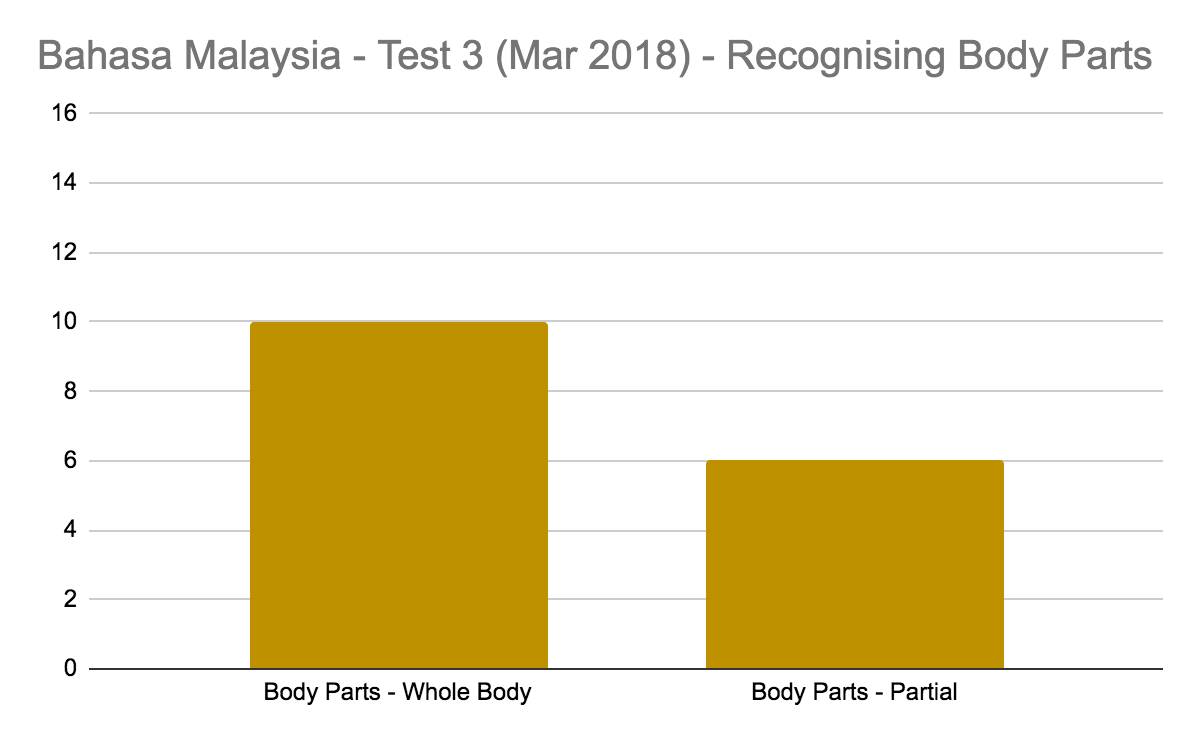
    For the former, 10 of the students can identify the whole body parts while the remaining 6 are only able to identify “rambut”, “mata”, “hidung”, “kening”, “ibu jari”, “kaki”, “perut” and “dahi” only. (Refer to Graph 4)

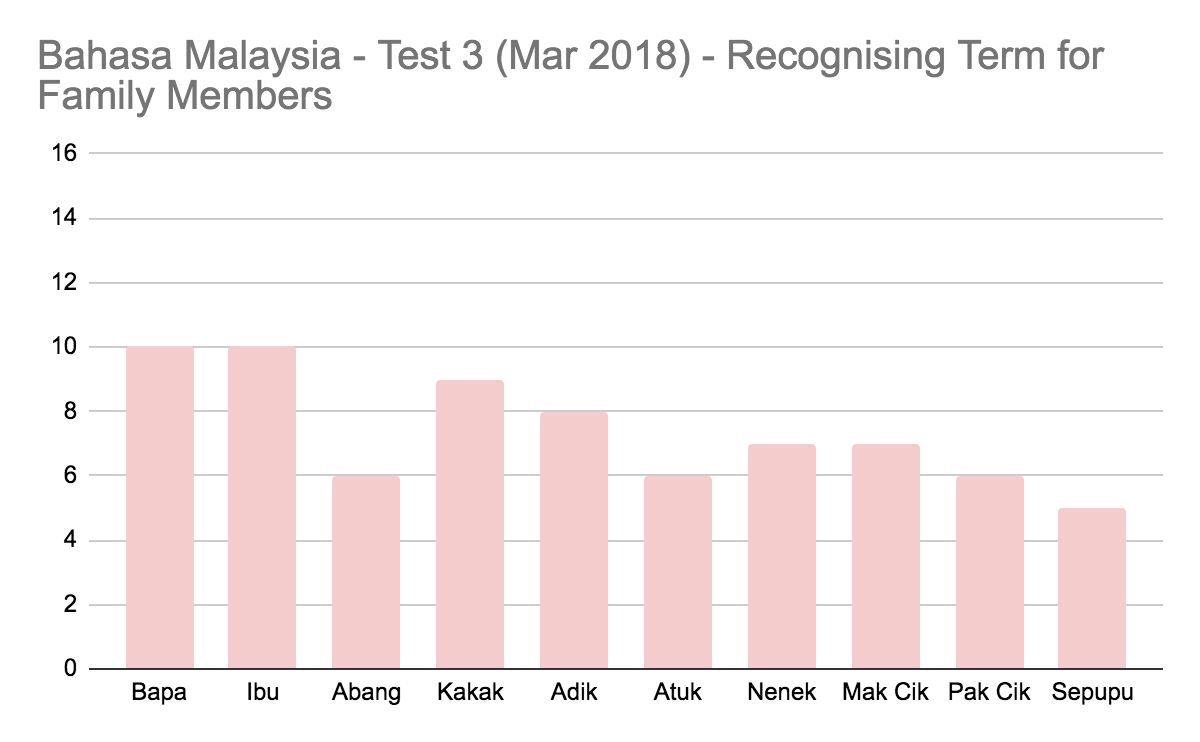
    As for the latter, firstly only 10 students can recognise the term for parents. Secondly, more than six students who can recognise terms for close family members (i.e., parents and siblings). Finally, a average of 39% of our students able to recognise terms for extended family members (i.e., grandparents, relatives) (Refer to Graph 5)

    Graph 4. The number of students who can recognise Body Parts in Test 3

    Graph 5. The number of students who can recognise terms for family members in Test 3.
  • Iskul’s 1st Students’ Convocation & Mastal Arikik Appreciation Ceremony 2020

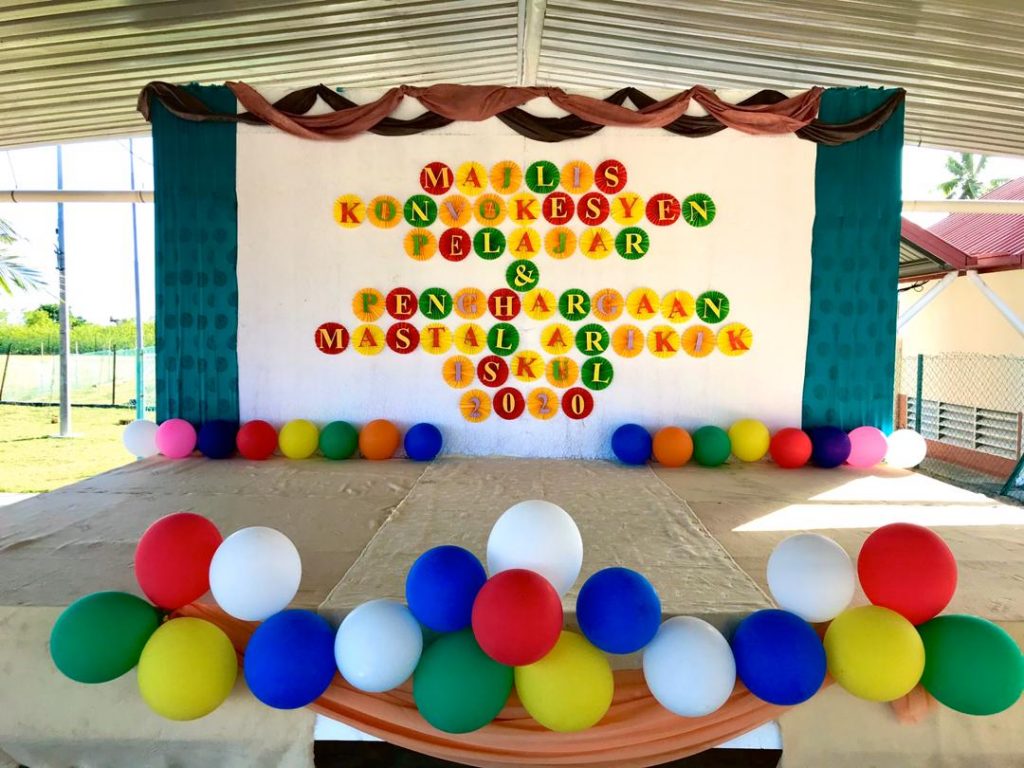
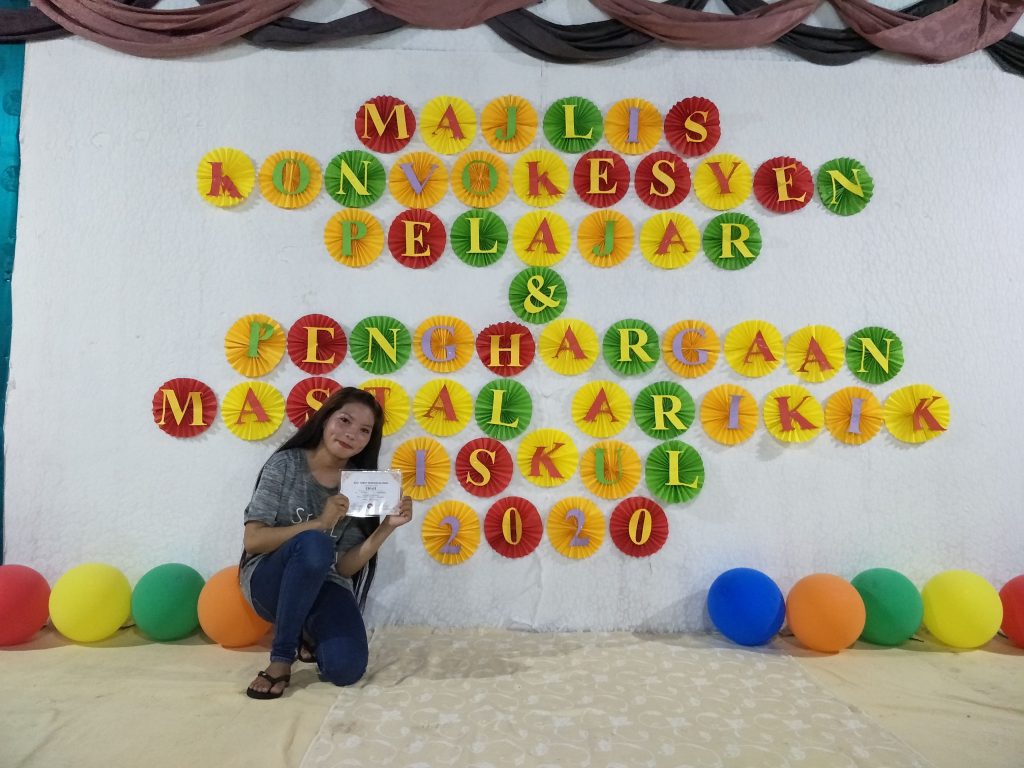
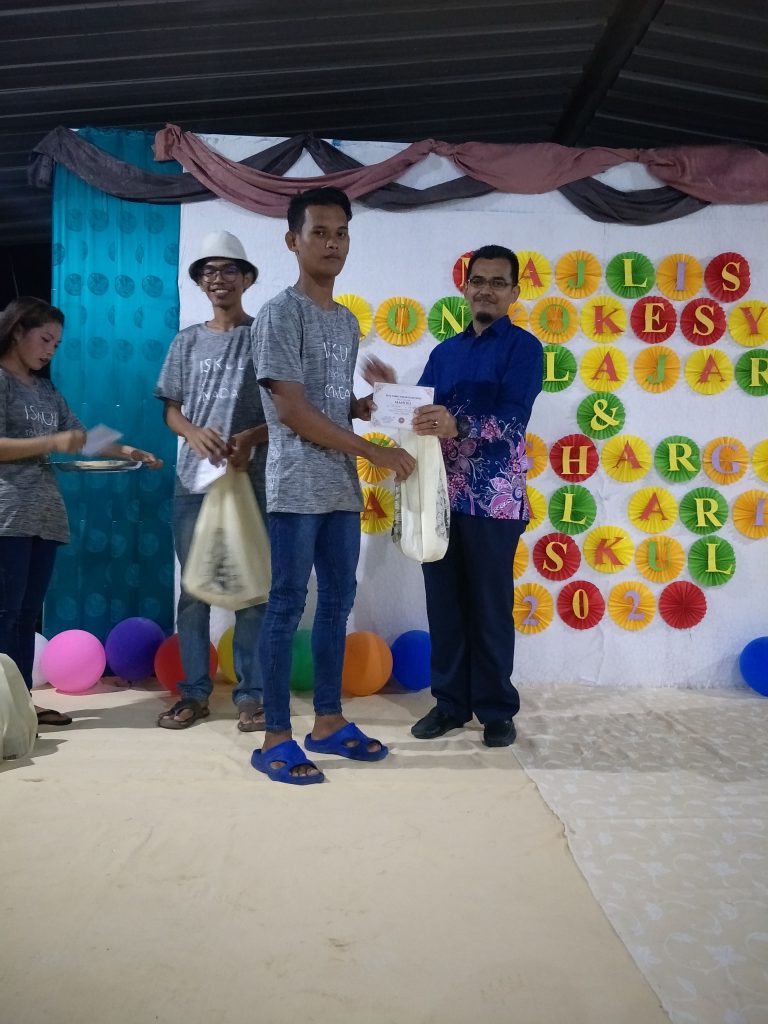
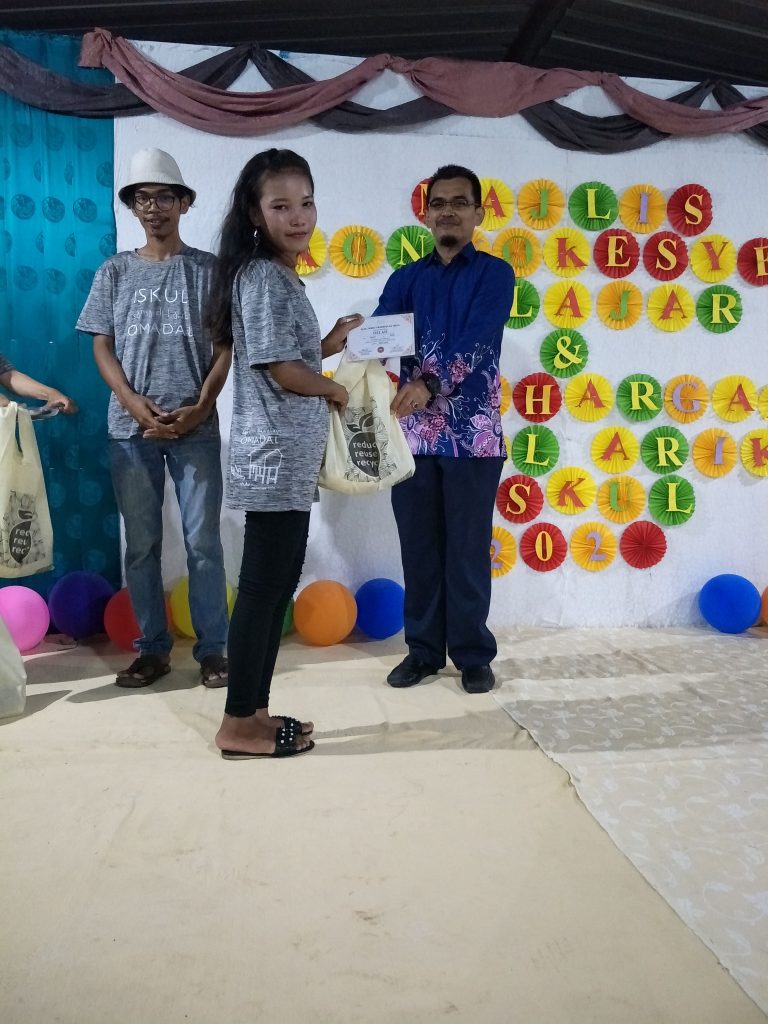
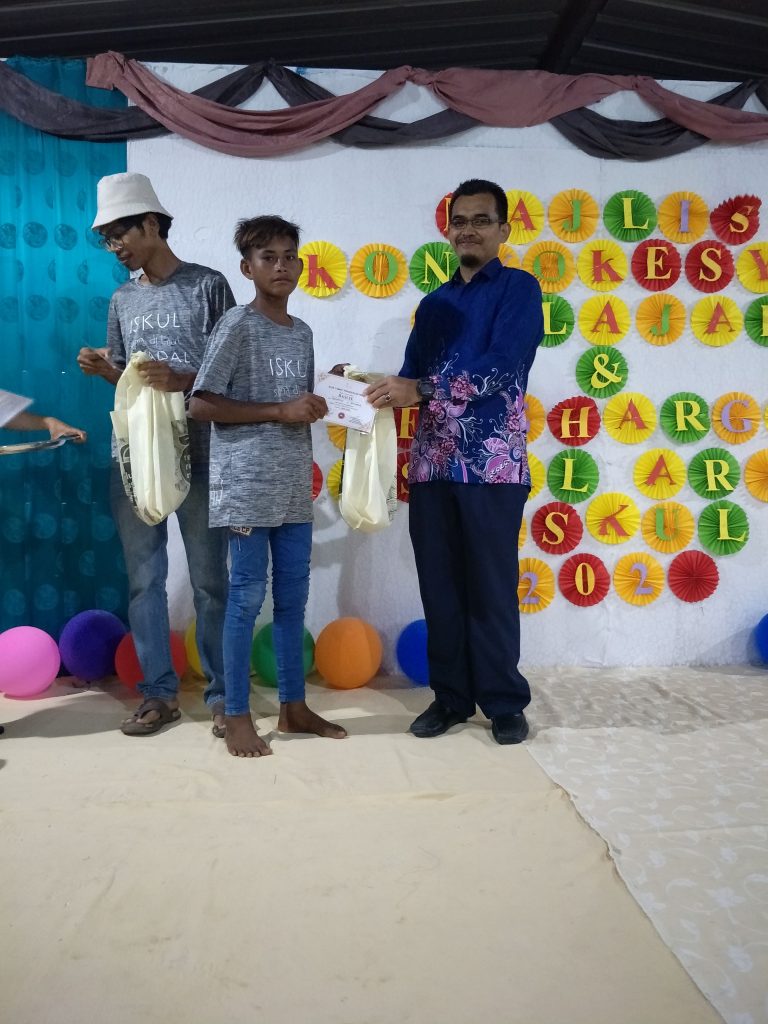
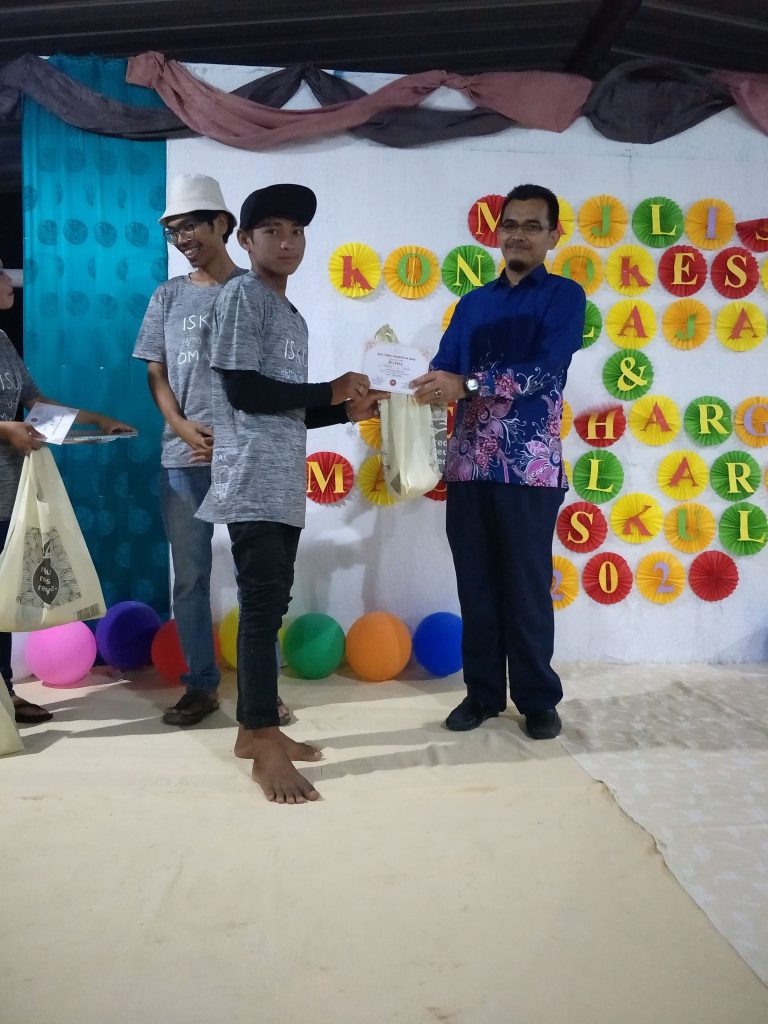
    The day has finally arrived! Iskul was able to throw a celebration to commemorate the progress our students have made since enrolled in our weekend classes in August 2015 – our very first Majlis Konvokesyen Pelajar dan Penghargaan Mastal Arikik Iskul Sama DiLaut Omadal 2020 (1st Students’ Convocation & Mastal Arikik Appreciation Ceremony 2020)!

    The first trial class in August 2015, sees a group of 15 children from the stateless Bajau Laut community of Omadal Island taken their very first momentous step to learn. The eagerness in these children to attain knowledge remains ever joyous, be it the pioneer batch or the recent new intake. They beamed at the thought of attending lessons and take pride in being known to attend lessons with Iskul. And that was the fuel for Iskul. In return, we want to celebrate their journey through this convocation ceremony!
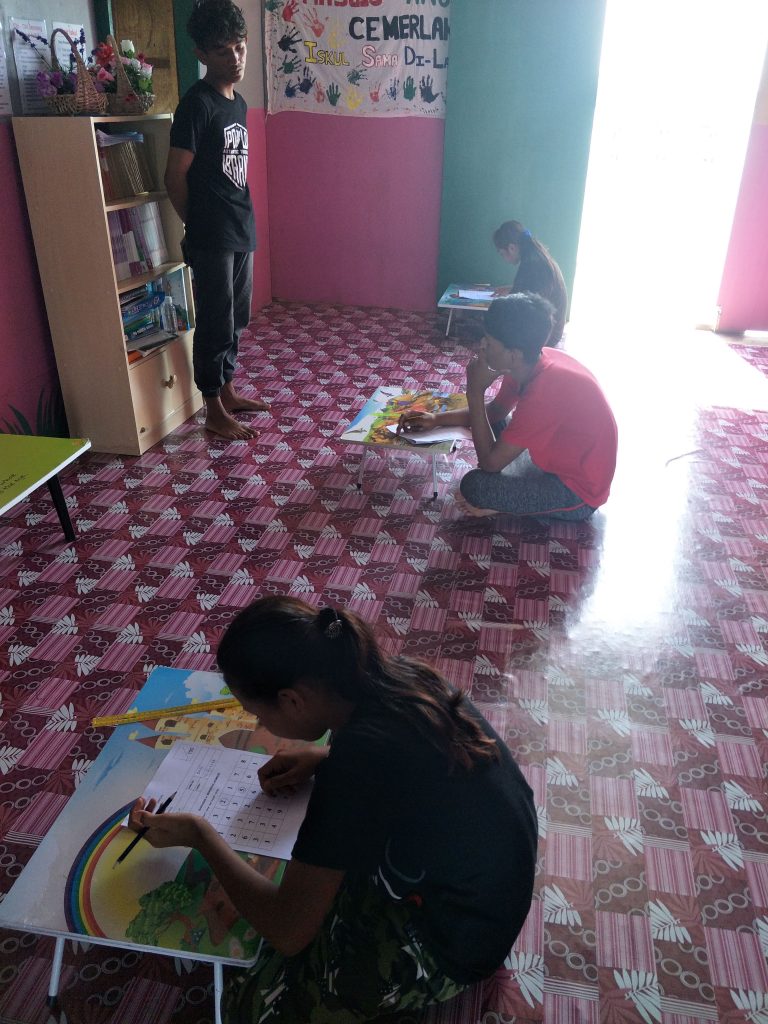
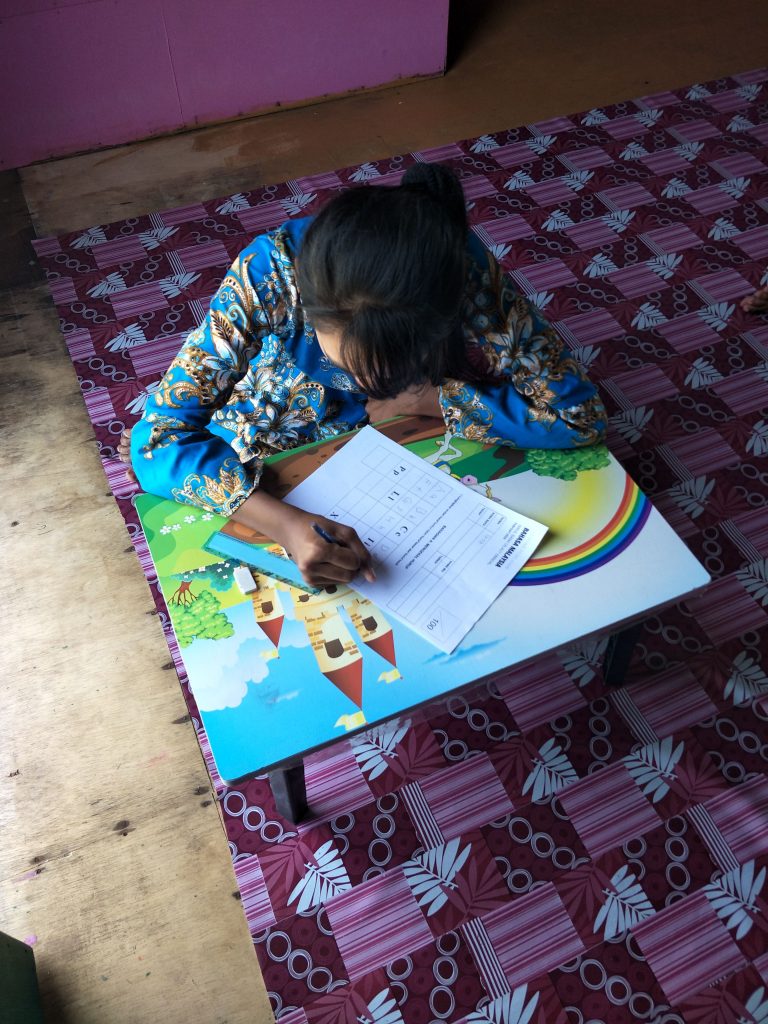
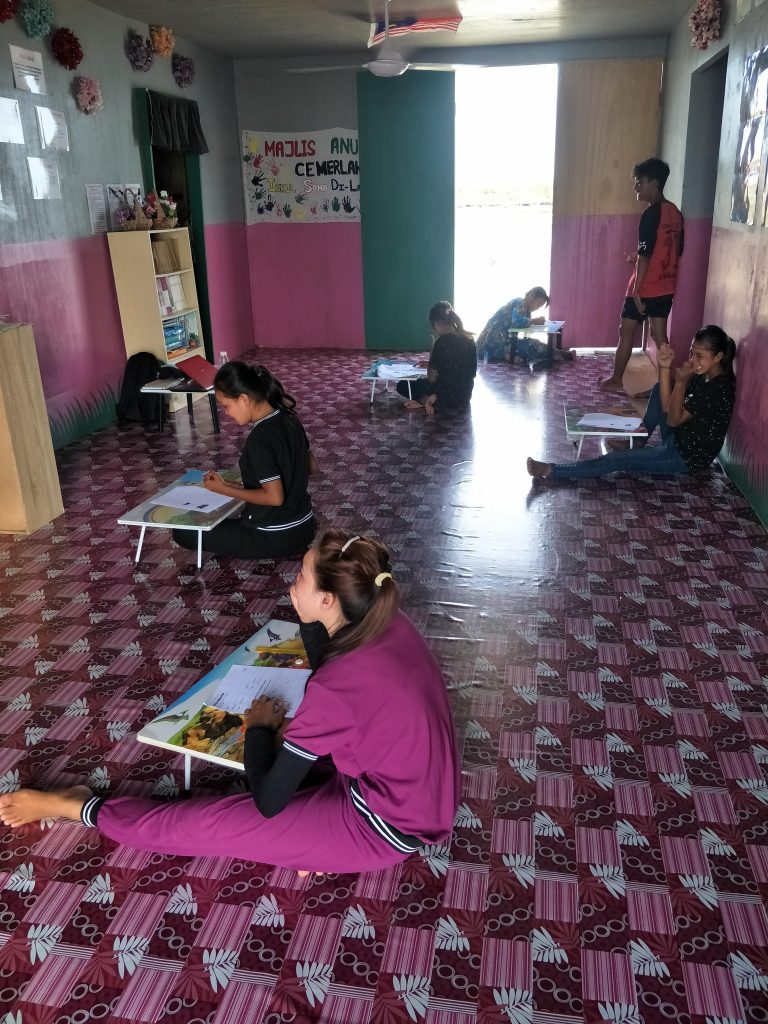
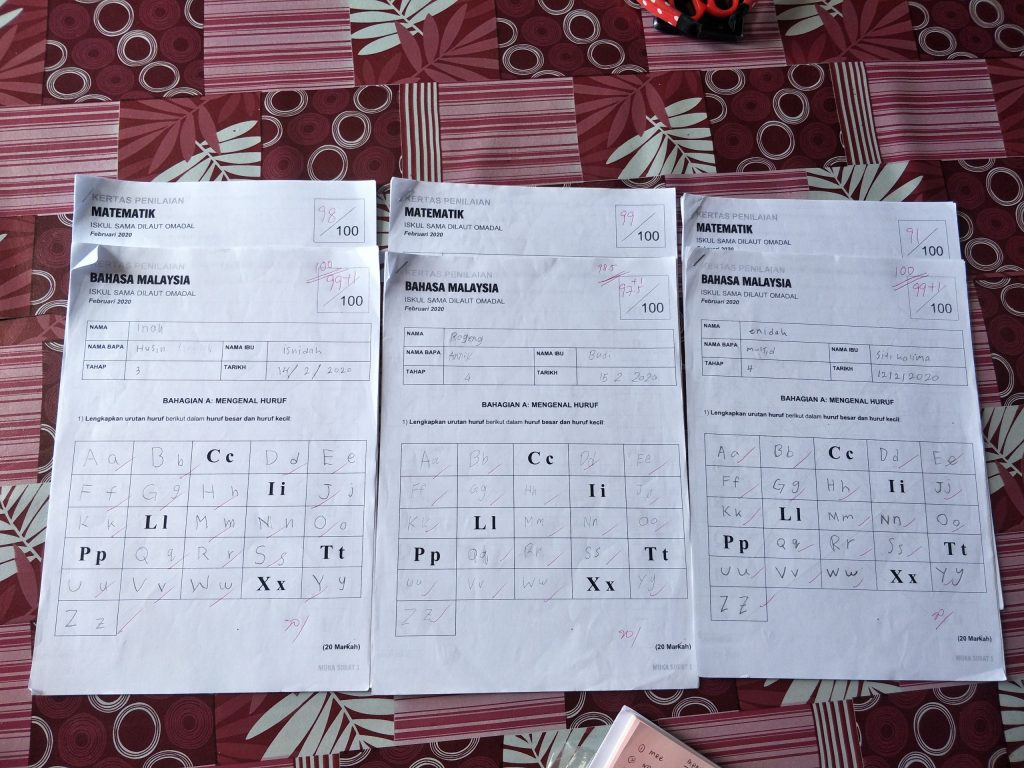
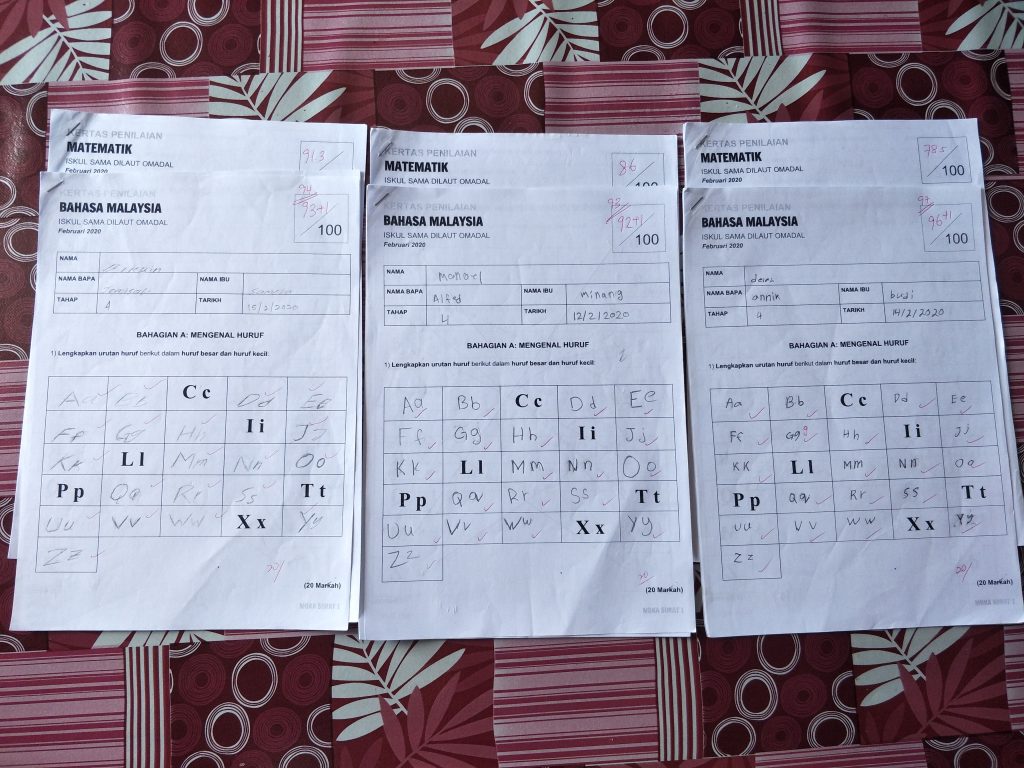
    In order for us to be able to evaluate their progress upon graduation, we set a prerequisite that they must have completed or at least attempted the evaluation test for Bahasa Malaysia and Mathematics that we have prepared. A total of 18 students from the pioneer batch have come forth and took the challenge courageously. The reason why we said it was a brave step is that they have had almost one gap year where they did not attend to lessons in Iskul. This is because, in January 2019, Iskul lost two capable Field Coordinators and with no Mastal Arikik to carry out lessons, classes were put on hold. When Khairul returned in May 2019, he gathered a new intake of students and convinced two of the pioneer batch students to teach as Mastal Arikik. As 2019 progressed, lessons were conducted for the new intake of students. Since the pioneer batch students had learned the basics, they no longer want to attend classes.

    What surprised us most was to find out that some of the students continue to learn on their own effort despite no classes held for the year! Their performance in the evaluation tests testify their effort and further proved to us the potential these children have if only they were given the chance. Just a brief recap, January lost two Field Coordinators and no Mastal Arikik, which forced us to close the classes until we were able to gather the teachers again. It is estimated that from August 2015 to December 2018, they have only attended about 70 days or 14 weeks (less than 4 months) of school over the past three years! You may read about the detailed analysis of the evaluation here.

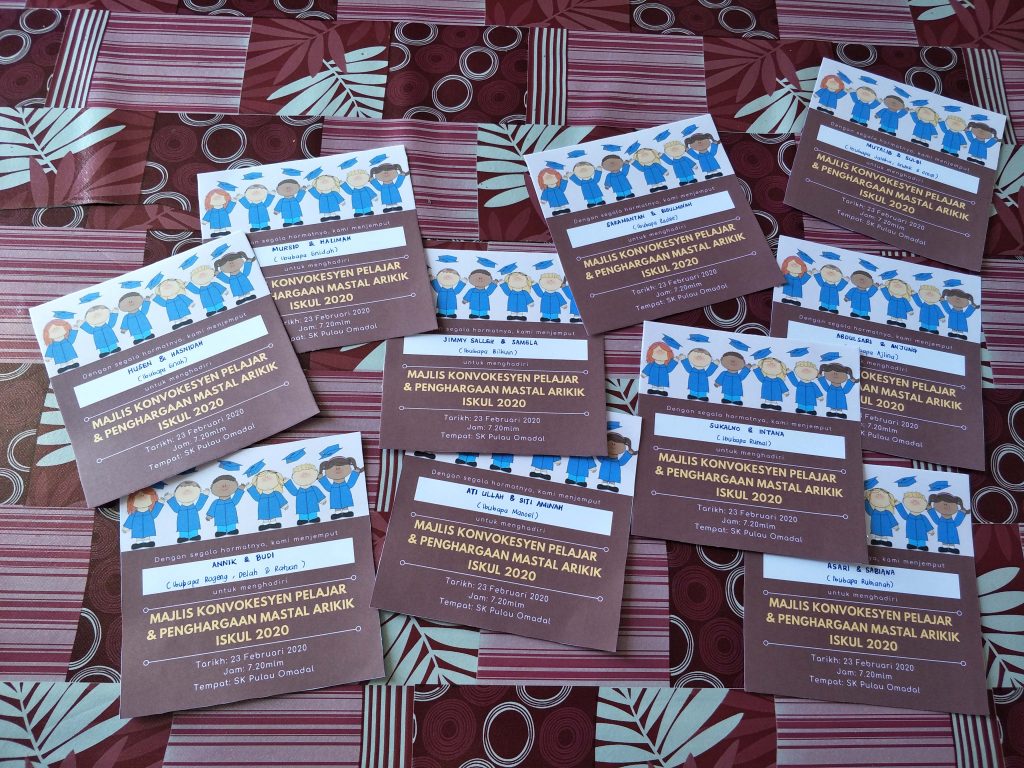
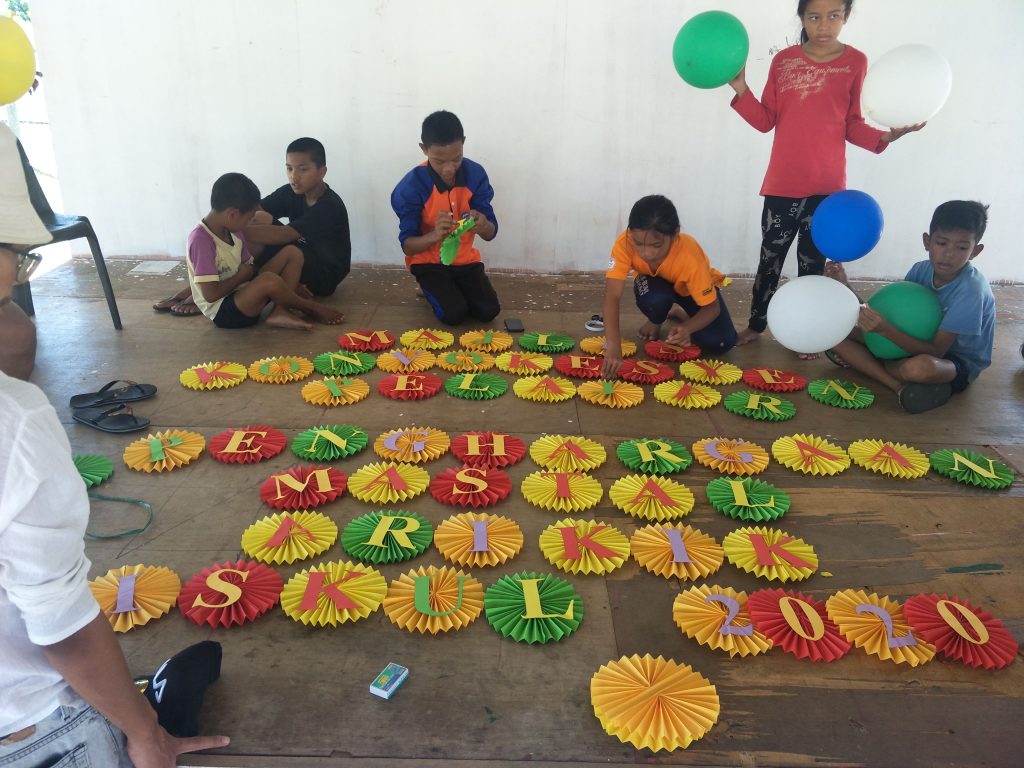
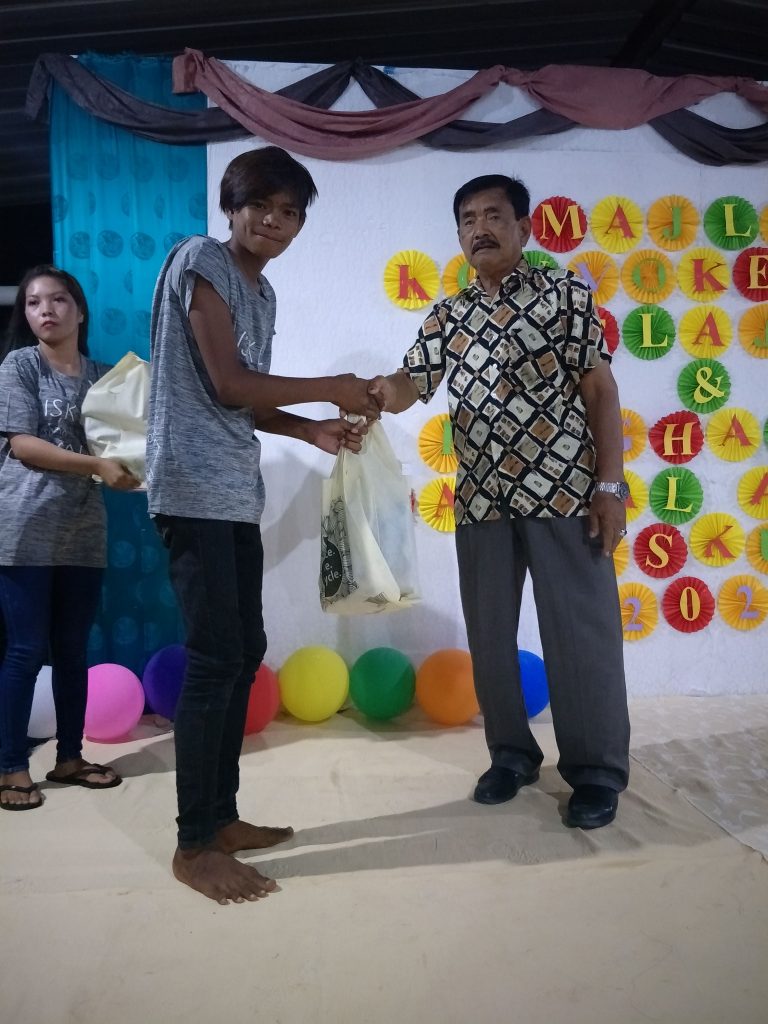
    It was a festive weekend as we hold Hari Sukan followed by the ceremony the day after. It took the whole team almost 2 weeks of preparation prior to the weekend. The invitation cards for parents have been delivered personally to the homes of students and Mastal Arikik, inviting them to witness the momentous ceremony for Iskul. For the first time, our students will be walking into a school compound and receiving their graduation certificate in a school hall. Iskul is very grateful to have Encik Budlaji, Principal of SK Pulau Omadal who has been encouraging and supportive in making this gift of experience to our students possible!

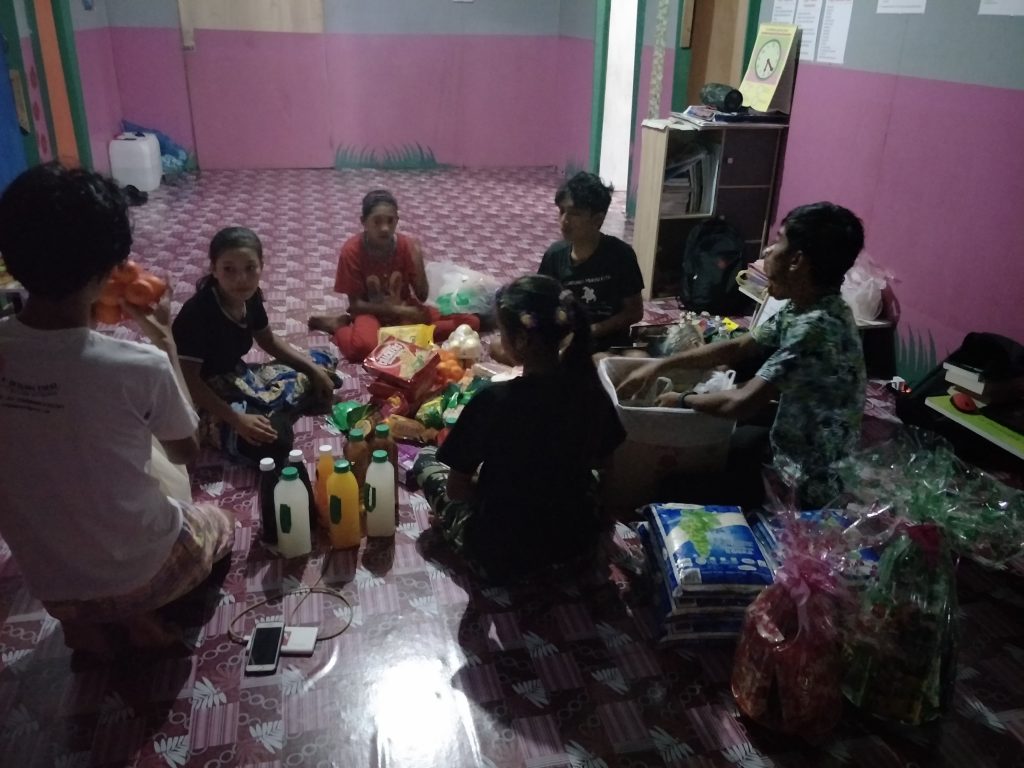
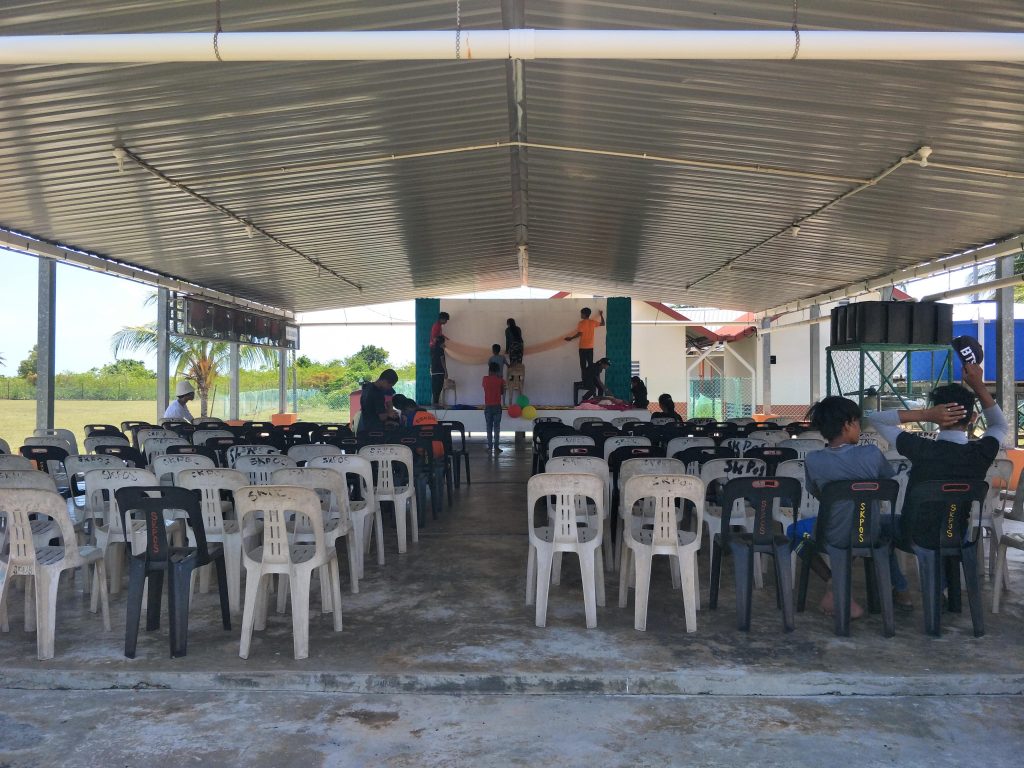
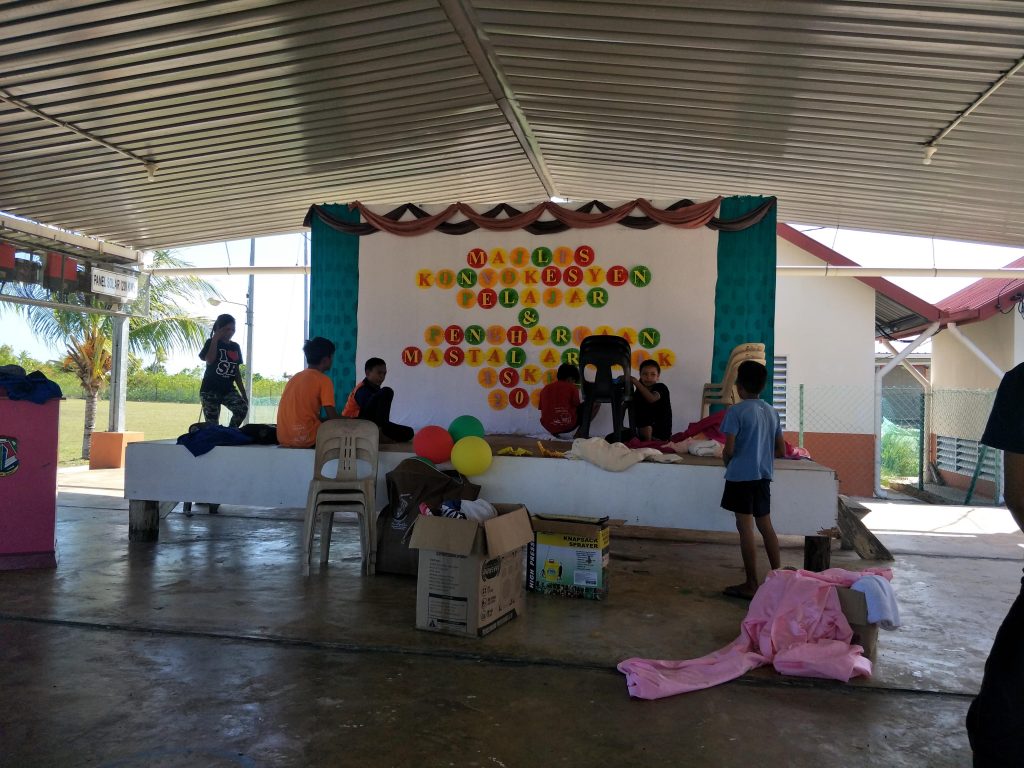
    The night after the Hari Sukan, the team gathered at Pondok Iskul to make the finishing decoration touch-up for the stage. The next morning, we gathered at SK Pulau Omadal to set up the venue for the 7.30 pm event. Our pioneer batch students have also helped to arrange the chairs for the invited guests.

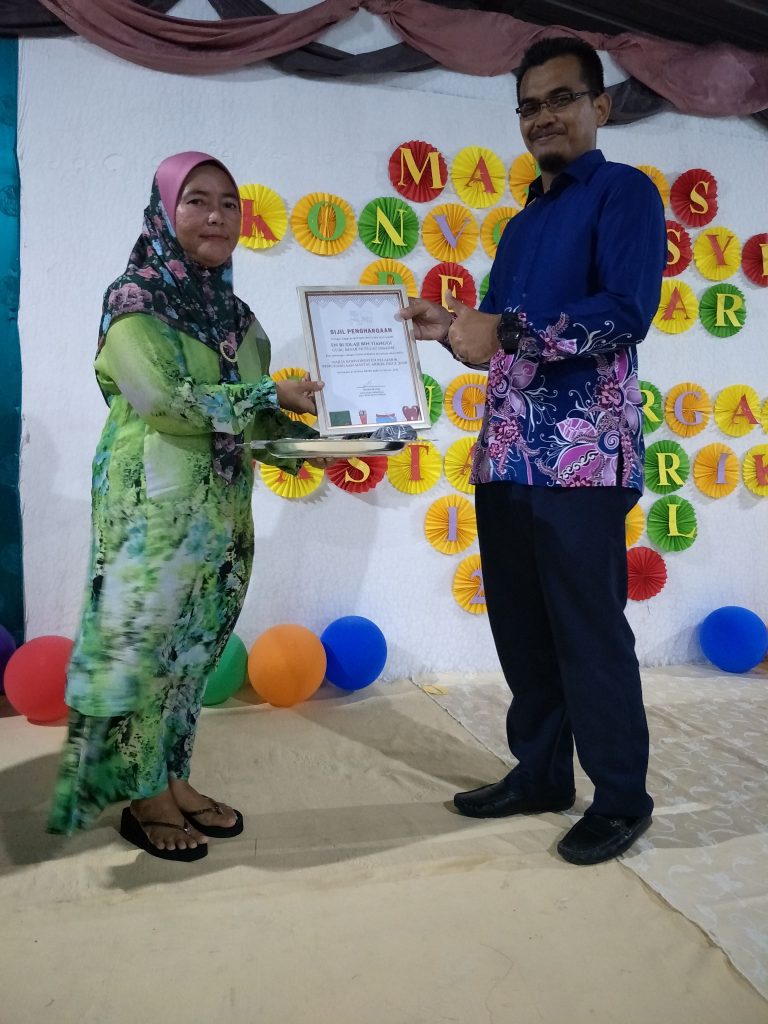
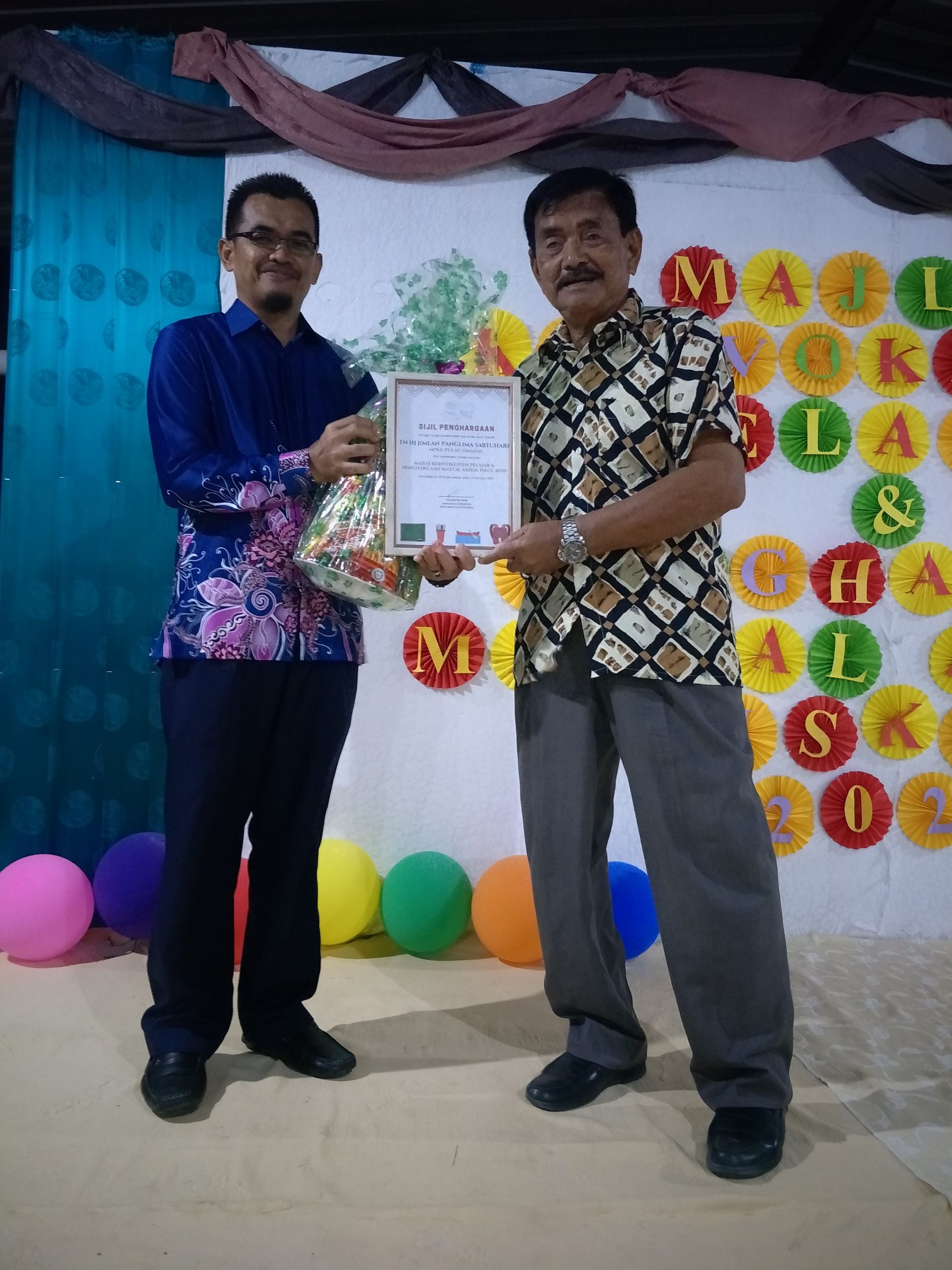
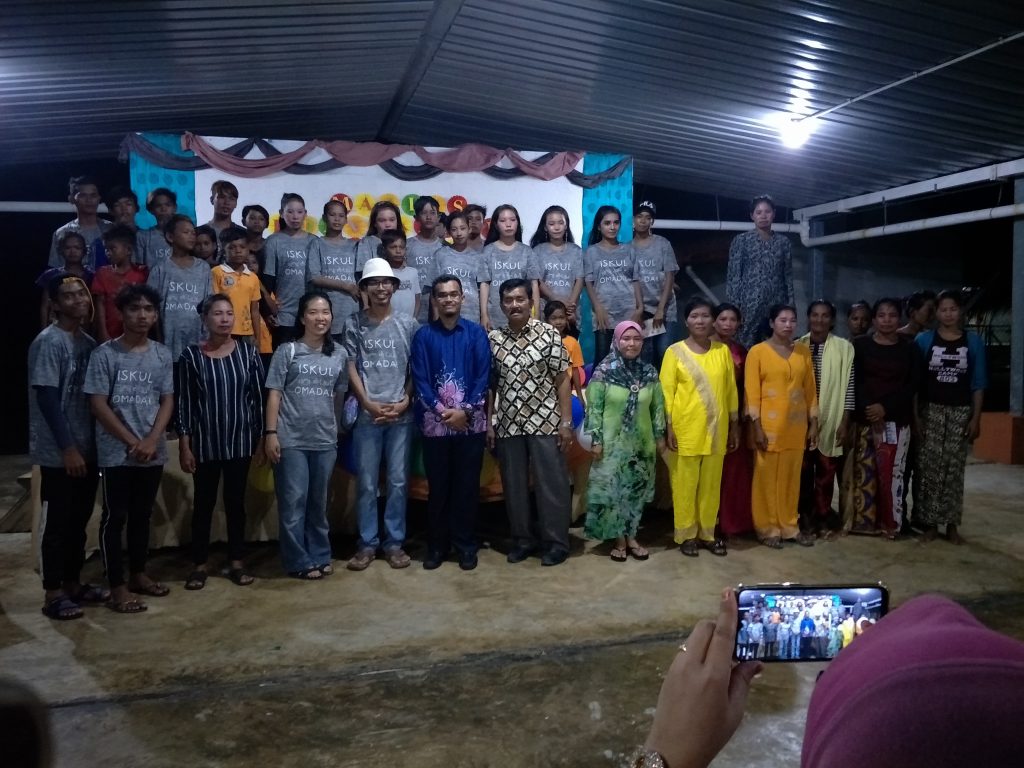
    On 23 February 2020, Iskul’s 1st Students’ Convocation & Mastal Arikik Appreciation Ceremony 2020 was graced by MPKK Pulau Omadal Hujung, Tn Hj Jimlan Panglima Sabtuhari, Headmaster of SK Pulau Omadal, Encik Budlaji Bin Tianggi, as well as our very own Headmistress, Pn Roziah Jalalid. Our Field Coordinator, Khairul Atim was the Masters of Ceremony (MC) for the ceremony. The parents have arrived earlier and were served with a simple meal before the ceremony began.

    The Principal of SK Pulau Omadal, Encik Budlaji Bin Tianggi complimented the initiative. He congratulated our students and encouraged our students not to feel inferior. Encik Budlaji further added that the school welcome the children as long as we all ensure that the school assets are taken care of.

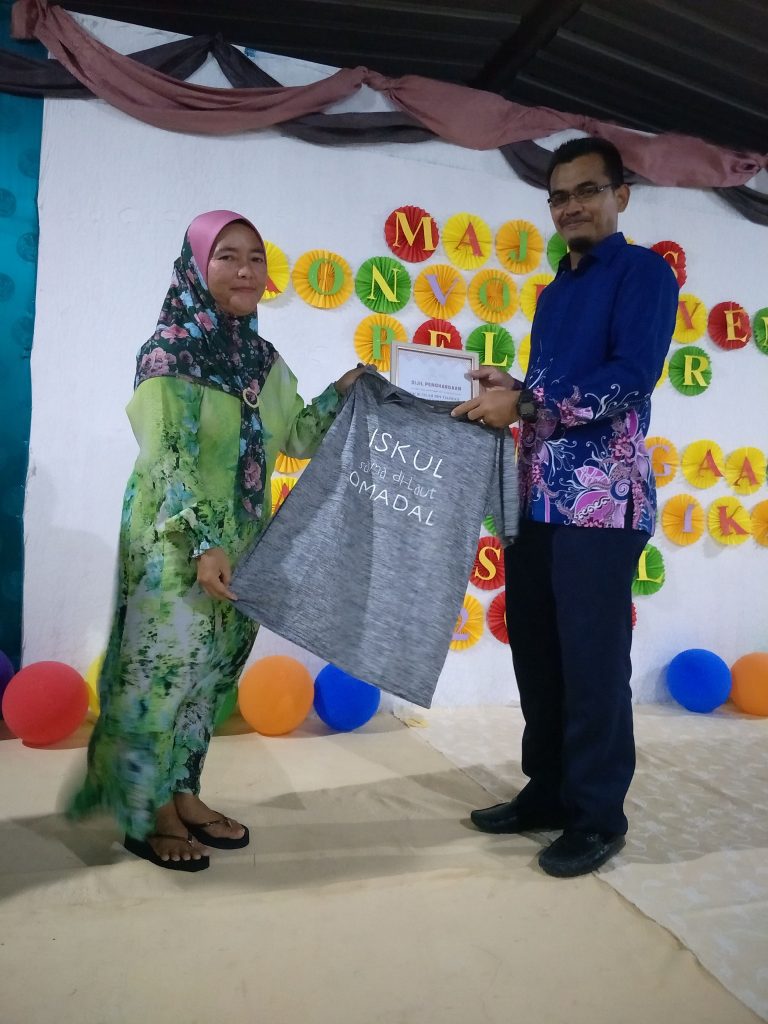
    This inaugural ceremony was successfully organised in a spacious environment, many thanks to the willingness of the Headmaster of SK Pulau Omadal who allowed us to use their solar panel hall. Iskul presented our shirt to the Headmaster of SK Pulau Omadal to commemorate our first collaboration and we look forward to future joint activities!

    We are also very grateful to MPKK Tn Hj Jimlan for officiating our ceremony and as always encouraged our students and their parents to learn and be literate. As the fatherly figure to Iskul, he has always been watching over us and in his speech, he has never failed to remind our students to step away from glue-sniffing addiction and focus on learning.

    Besides celebrating our pioneer students who have successfully completed their basic (preschool) learning, we also celebrate their parents who had helped to ensure that they attend classes every weekend. We are very proud of our students and their parents for making learning a priority despite living in poverty! 

    During the event, our hearts warmed as we witnessed our student representative as well as currently one of our Mastal Arikik, Enidah courageously say a short sentence of gratitude in Bahasa Malaysia.

    Enidah also sang a song entitled, “Cinta Luar Biasa” during the closing performance. Oh, our hearts! 

    As the ceremony aptly named, it is also to acknowledge the effort and time invested by our Mastal Arikik (MA) over the years. They took time off their weekends to teach their friends from the stateless community. We have 10 MAs who have volunteered their time for Iskul and the stateless community. To conclude the ceremony, Izwan, representing our Mastal Arikik to perform a song in the closing.

    Moving forward, we hope to have them returning to learn as we work towards providing more advanced classes and/or other skills-building classes for them. Of course, we also hope to hold another convocation ceremony for the current intake, perhaps in a year or two!

  • Iskul’s Hari Sukan 2020

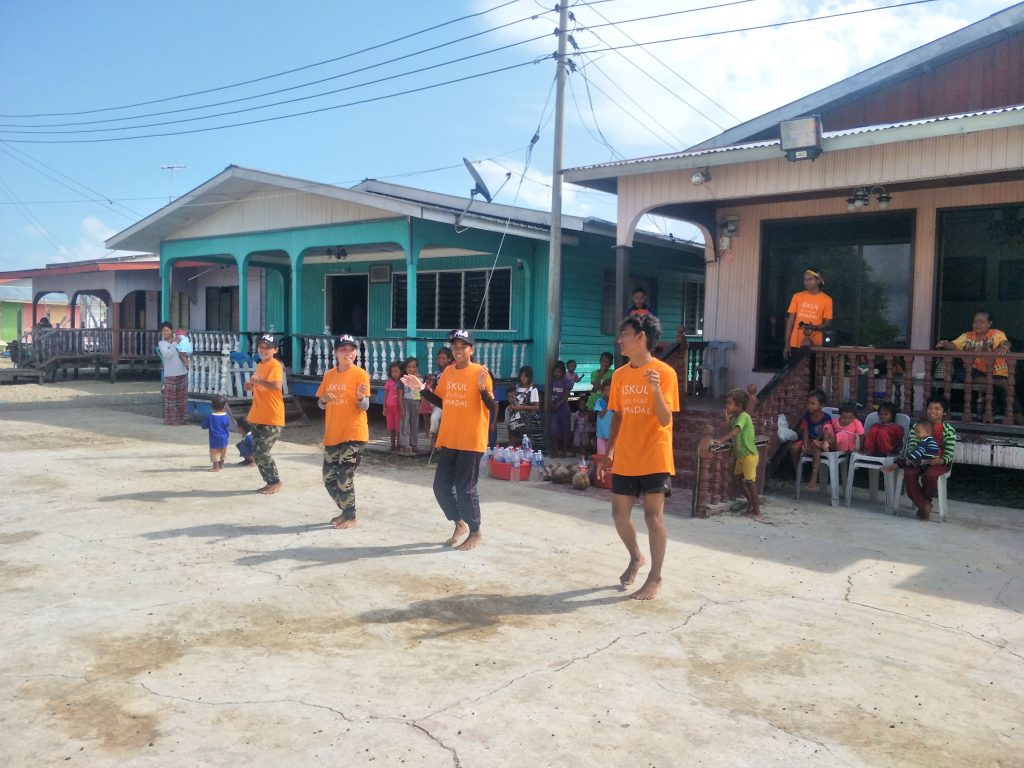
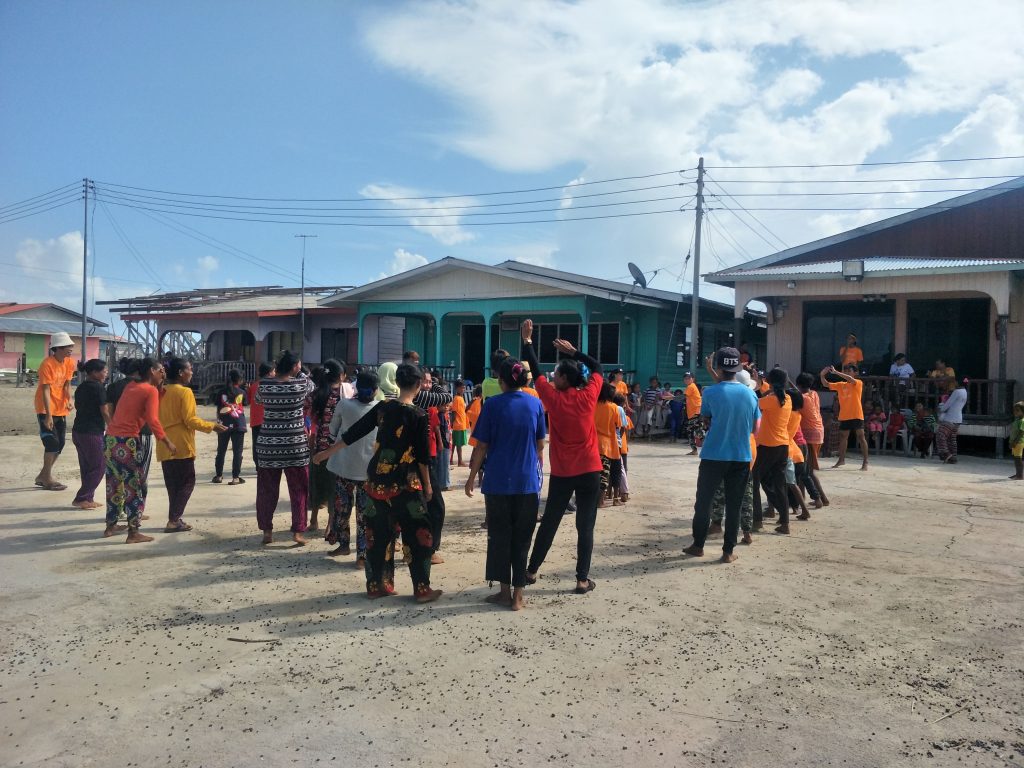
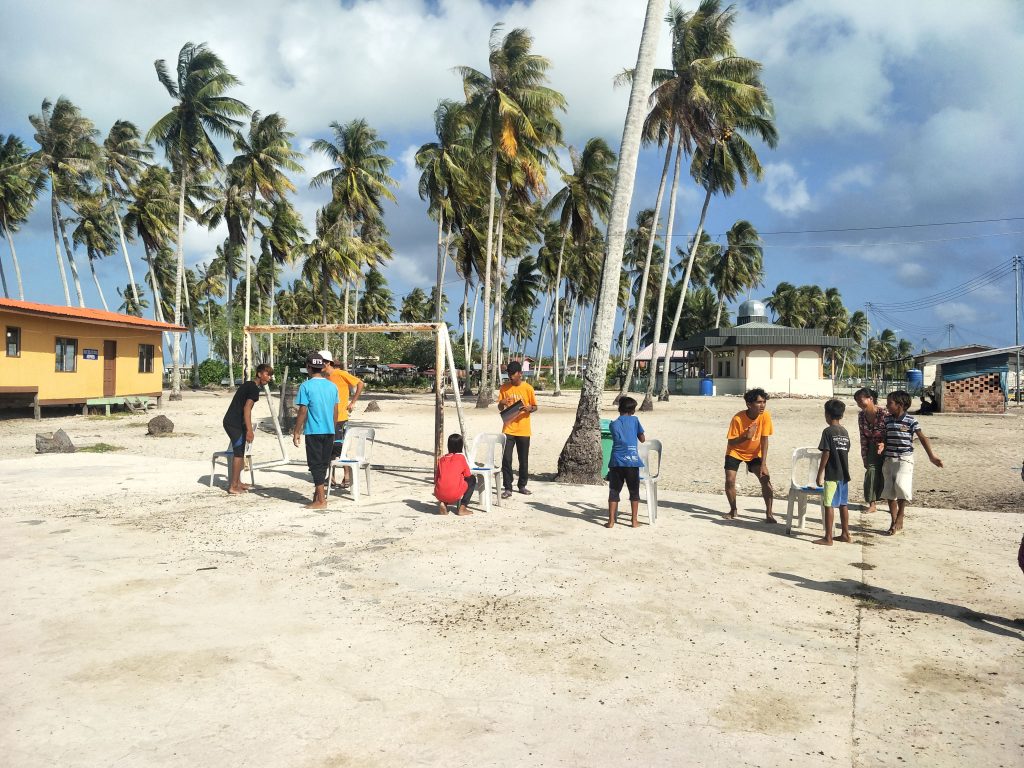
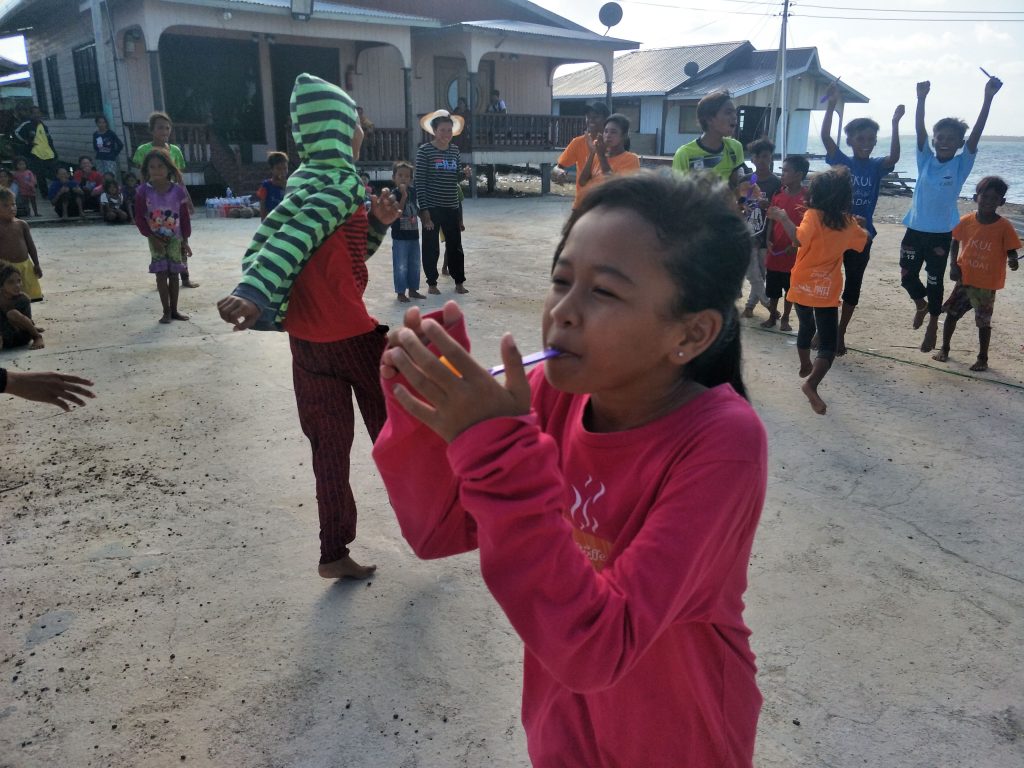
    A little #Throwback to sharing the Hari Sukan we organised prior to the convocation ceremony! It is our hope to continuously improve the relationship of the local community (local citizen and stateless) through such healthy gathering/competition. We have a total of 10 activities for parents (mothers) and children. Our Mastal Arikik (MA) and students participated in the activities too! It was very a hot day with little cloud to buffer the scorching sunray!

    Warm-up is important before sports activity begins. As so, for such important activity, Iskul’s Mastal Arikik (MA) and Field Coordinator Khairul lead the warm-up session. But as a matter of fact, all of us are pretty warmed up by the blazing hot sun even without the session!

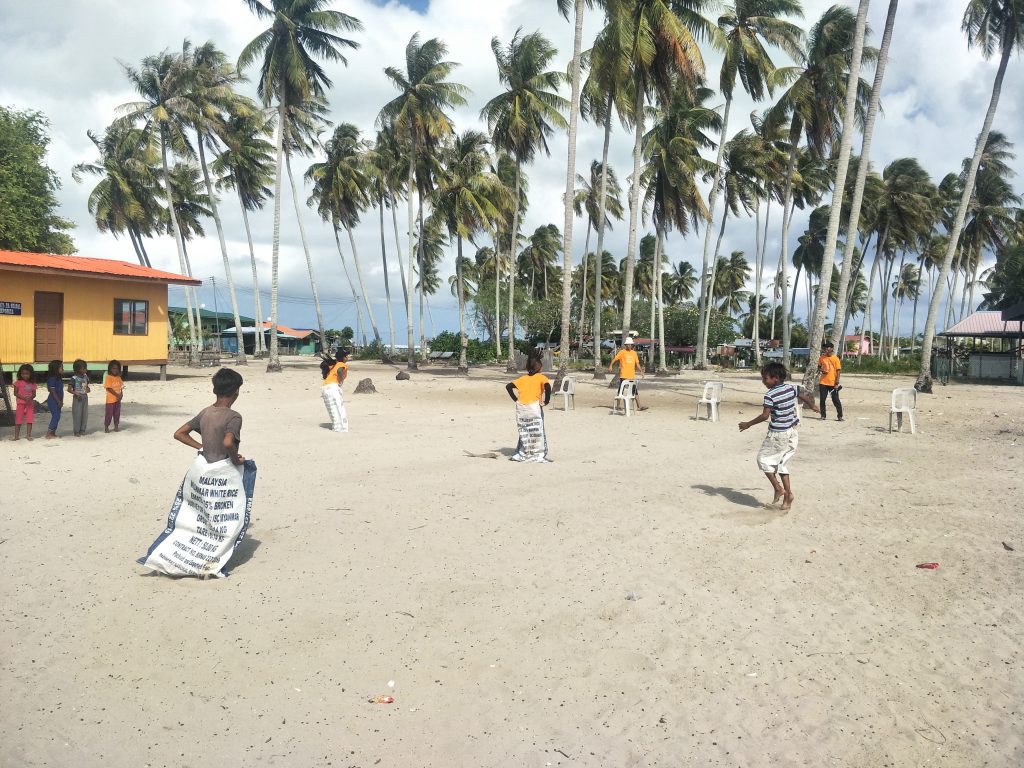
    Activity #1: Lumba karung (pelajar) 
    Teams were to compete by running/jumping across a distance in a sack. Waves of laughter, lots of fun!

    Activity #2: Makan kuih (pelajar) 
    Members for each team are to finish a square biscuit. The facilitators check everyone’s mouth to ensure its swallowed before they can return to pass to the next member. What a rush! 

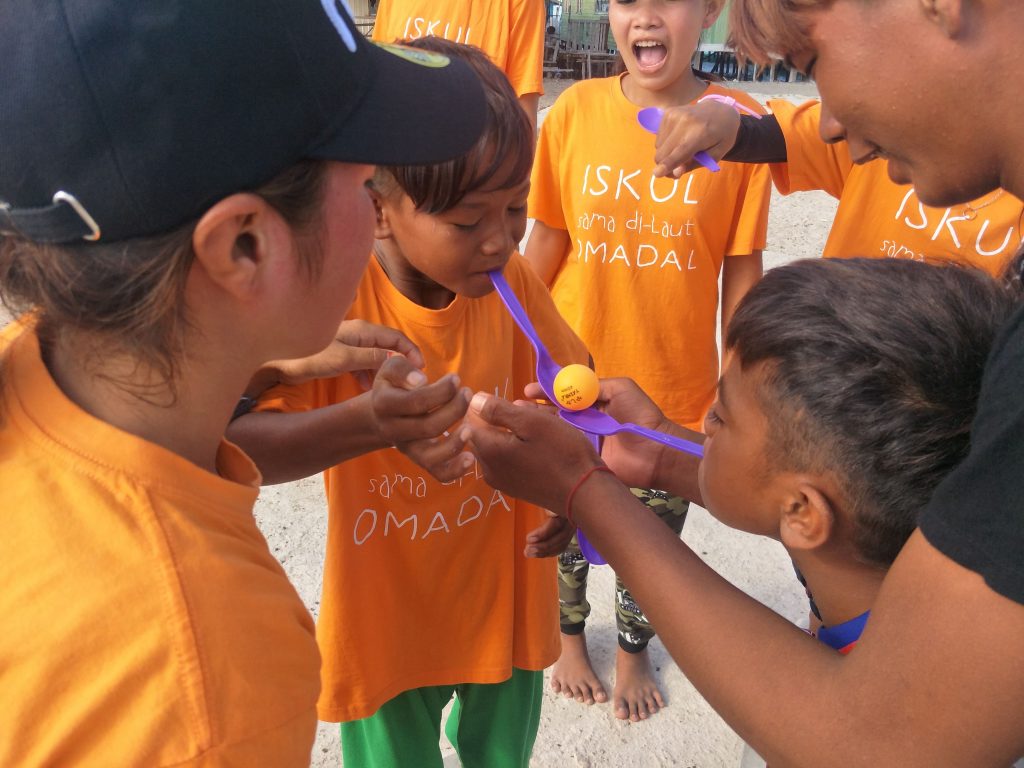
    Activity #3: Bawa Ping-pong Guna Sudu (pelajar)
    The teams were to work together to carry the ping-pong ball across to one another using spoon in their mouths. They can only pass the ping-pong using the spoon. The sudden gushes of wind was an added challenge we didn’t factor in for this race but we do welcome! 

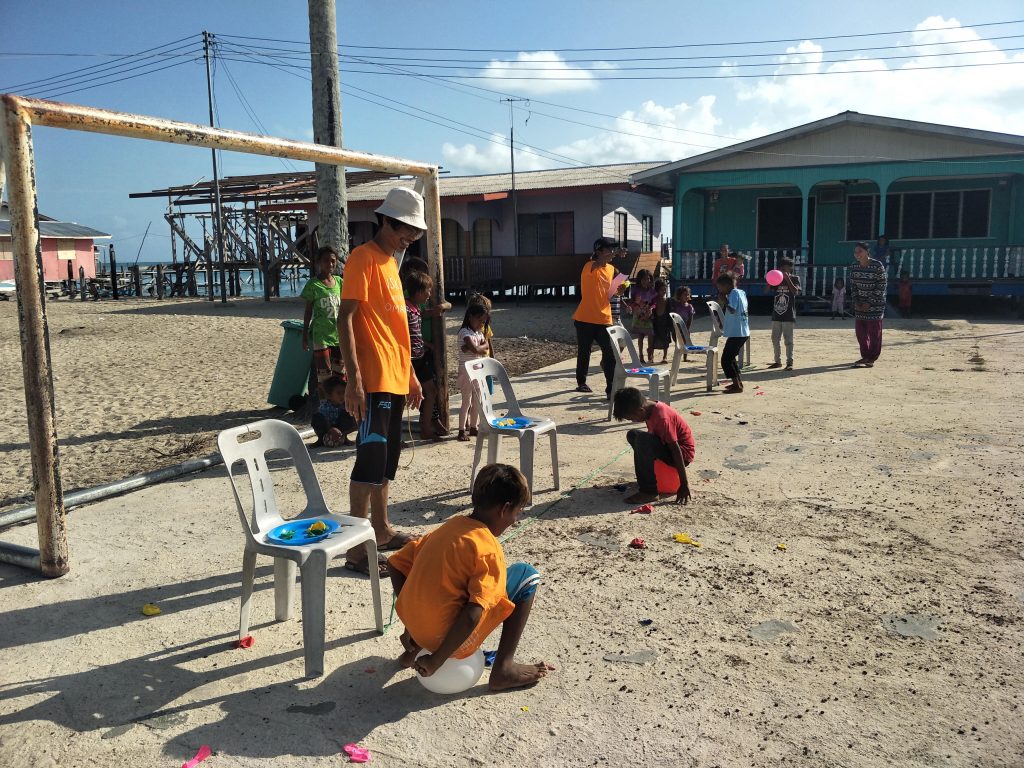
    Activity #4: Pecah belon (pelajar) 
    Each member is to blow up and burst a balloon. They can of blow it up till it burst, OR hug it, squeeze under their armpits or sits on it. Sitting on it definitely the fastest!

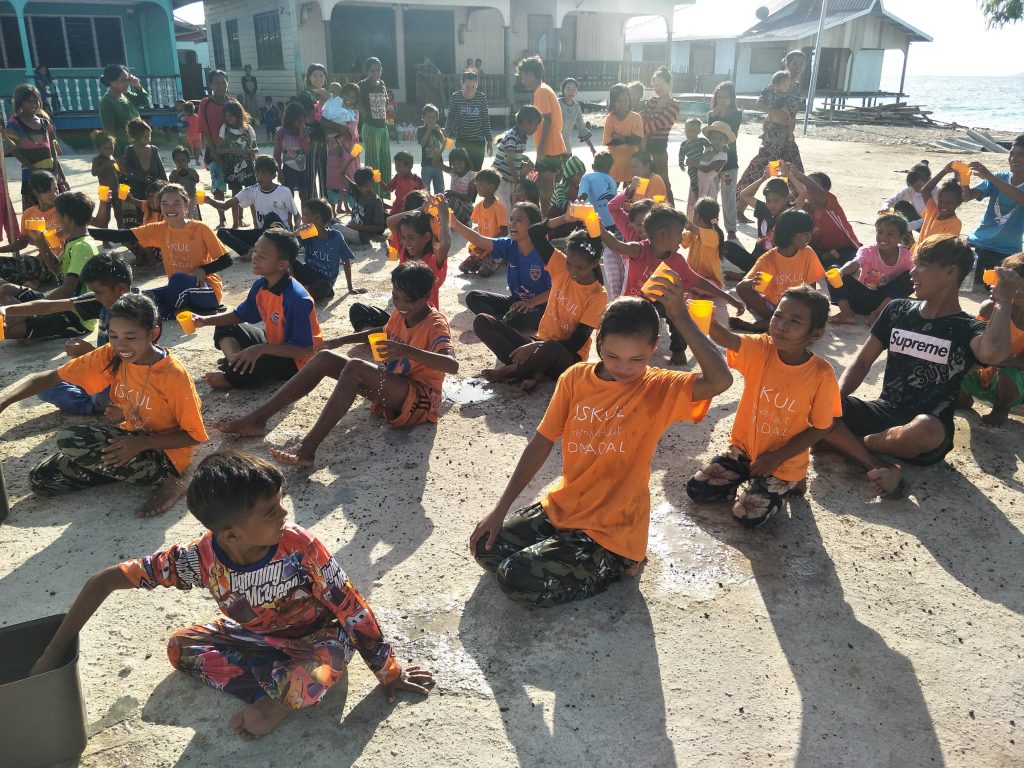
    Activity #5: Hujan (pelajar) 
    Teams lined up to pass seawater from the front to the back over the top of their head. The last in the line is to fill the water into a water bottle. The bottle filled with most water wins!

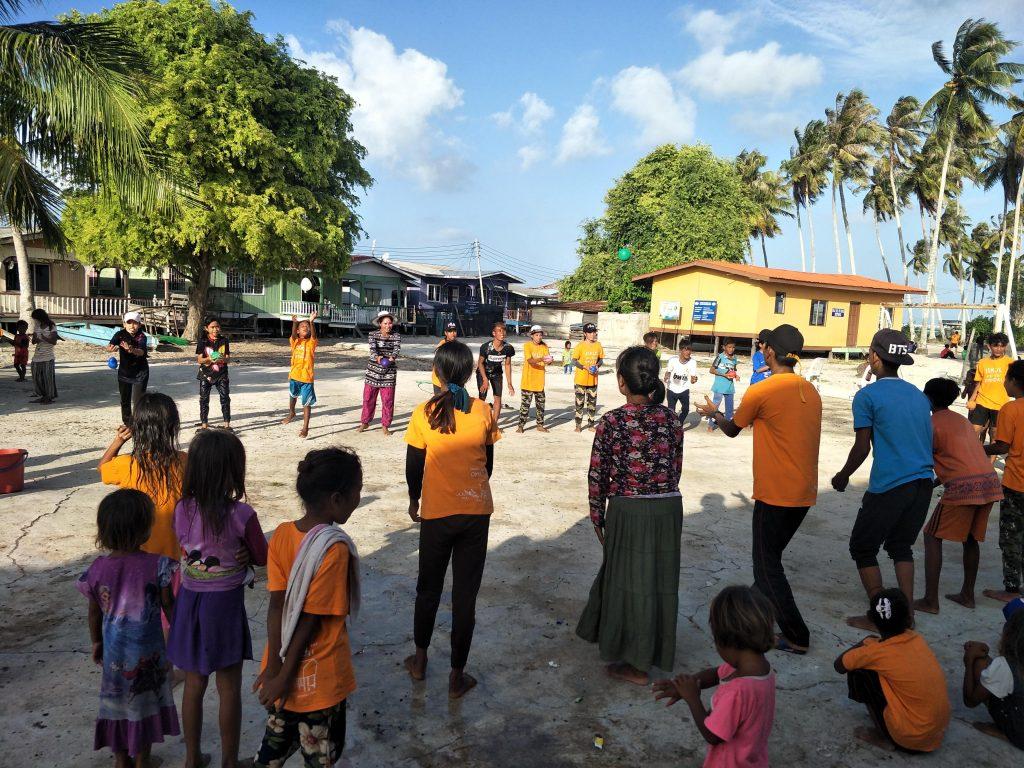
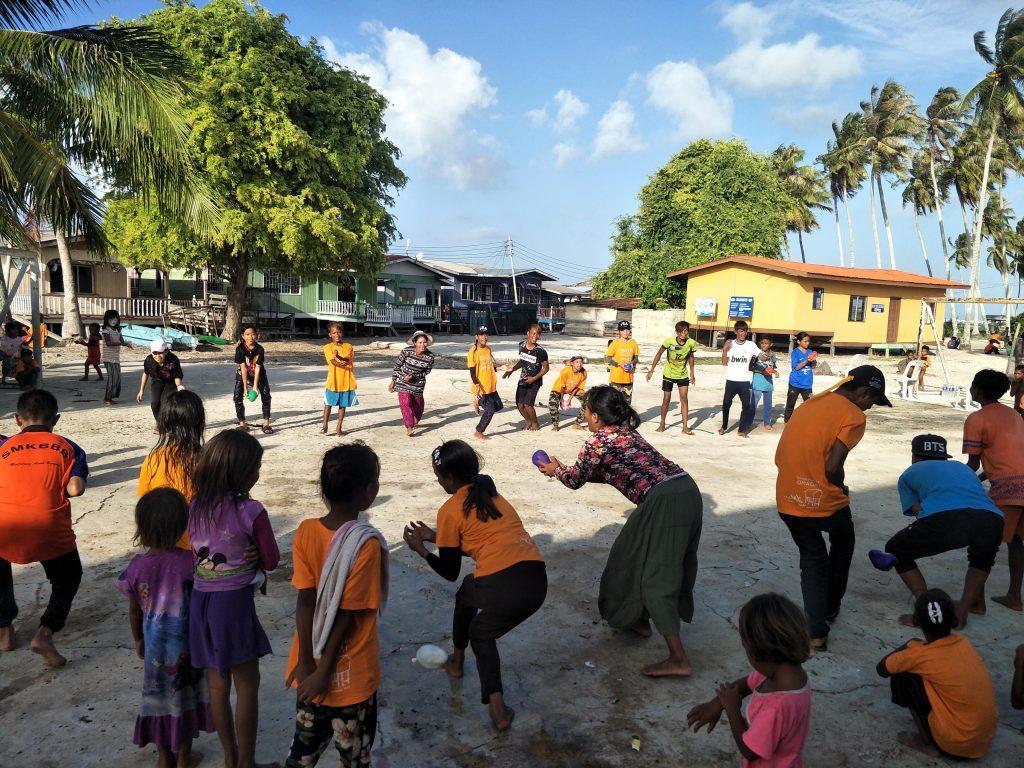
    Activity #6: Semakin jauh, semakin sayang  (terbuka)
    Pairs are to throw and catch the water-filled balloons from one another without bursting it. It was a very precious moment indeed! 

    Activity #7: Lari dengan kelapa (ibu) 
    The moms who managed to participate in the activity had fun, running carrying two coconuts. The fastest to finish wins!

    There were lots of laughter, definitely lots of fun as we see the teams giving in their best for each round of activity! We hope to see more parents participating in our next activities.

    The Organising Team signs off till next time!

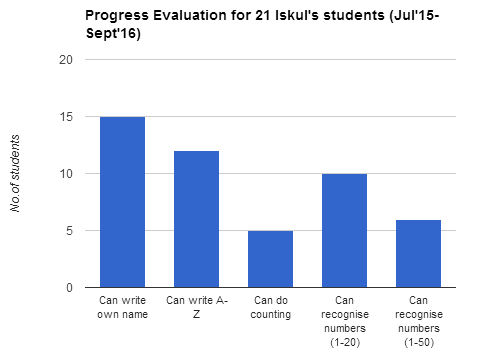
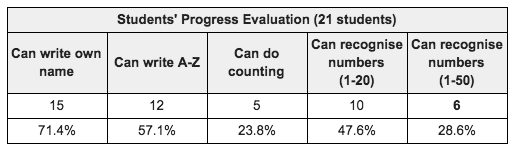
  • Students’ Progress Evaluation after 1 Year (September 2016)


    The above table and chart only depicts the performance of 21 Iskul students based on written examinations drafted and evaluated with designated marks conducted in September 2016. Our observations shows that our students are able to enumerate the alphabets from A to Z and 1-50 eloquently.